
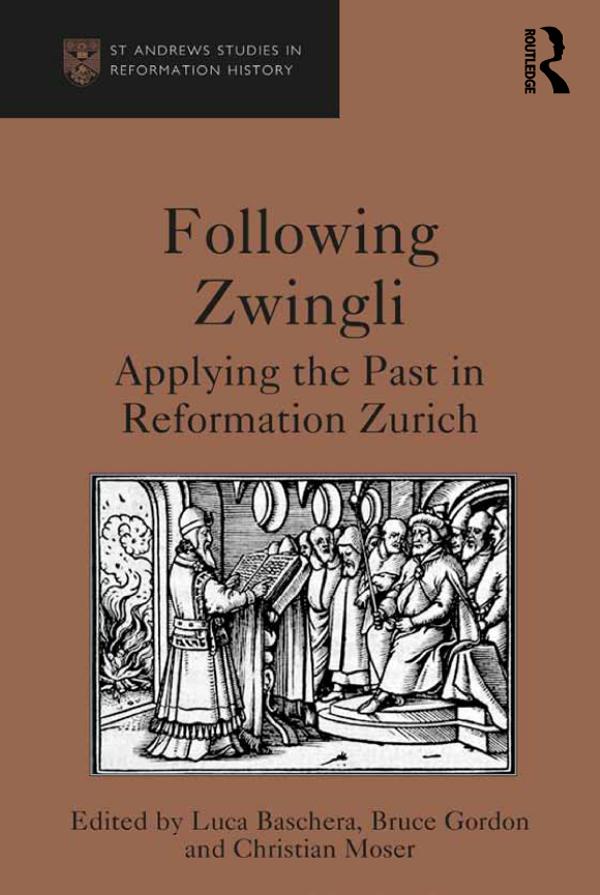
Following Zwingli explores history, scholarship, and memory in Reformation Zurich. The humanist culture of this city was shaped by a remarkable sodality of scholars, many of whom had been associated with Erasmus. In creating a new Christian order, Zwingli and his colleagues sought biblical, historical, literary, and political models to shape and defend their radical reforms. After Zwingli’s sudden death, the next generation was committed to the institutional and intellectual establishment of the Reformation through ongoing dialogue with the past. The essays of this volume examine the immediacy of antiquity, early Christianity, and the Middle Ages for the Zurich reformers. Their reading and appropriation of history was no mere rhetorical exercise or polemical defence. The Bible, theology, church institutions, pedagogy, and humanist scholarship were the lifeblood of the Reformation. But their appropriation depended on the interplay of past ideals with the pressing demands of a sixteenth-century reform movement troubled by internal dissention and constantly under attack. This book focuses on Zwingli’s successors and on their interpretations of the recent and distant past: the choices they made, and why. How those pasts spoke to the present and how they were heard tell us a great deal not only about the distinctive nature of Zurich and Zwinglianism, but also about locality, history, and religious change in the European Reformation.
Betal enkelt med kort, Klarna, Apple Pay eller Google Pay. Ikke fornøyd? Du har alltid 14 dagers angrerett. Les mer i våre vilkår. Har du spørsmål, send oss en e-post på hello@memmo.org.
Memmo gjør det enklere å studere – uansett hvor du er i verden. Hos oss samler du pensumbøker og smarte studieverktøy på ett og samme sted: sammendrag, quizer, podkaster og flashcards. Og så Ted, din studiekompis som svarer på alt du lurer på. Over 50 000 studenter studerer allerede her – bygget for at du skal lære raskere og stresse mindre.
Du vil kanskje også like
Kjøp boken0