
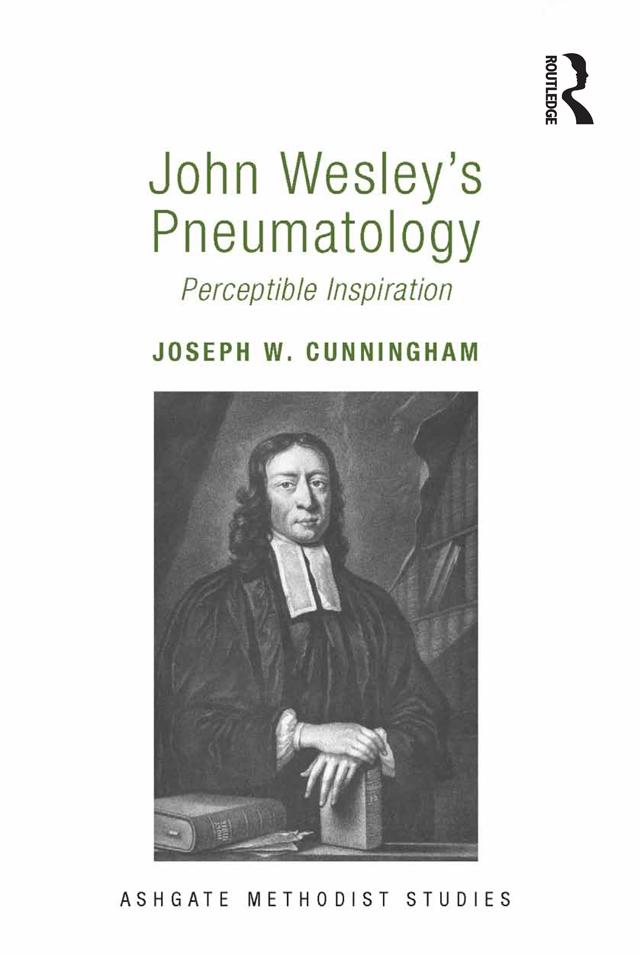
Perceptible inspiration, a term used by John Wesley to describe the complicated relationship between Holy Spirit, religious knowledge, and the nature of spiritual being, is not unlike the term 'Methodist' which was also coined by critics of Methodism during the eighteenth century in Britain. John Wesley's adversaries, especially the pseudonymous John Smith with whom Wesley exchanged letters for a period of three years, frequently challenged the plausibility of direct spiritual sensation, which Wesley defended. What does Wesley mean by perceptible inspiration? What does the teaching reveal about the nature and existence of God in Wesley's thinking? What does it suggest about the spiritual nature of humankind? In John Wesley's Pneumatology, it is argued that 'perceptible inspiration' more than a sidebar of Methodist thought, offers a useful model for considering the various features of Wesley's views on the work of the Spirit in relation to human existence, participatory religious knowledge, and moral theology.
Betal enkelt med kort, Klarna, Apple Pay eller Google Pay. Ikke fornøyd? Du har alltid 14 dagers angrerett. Les mer i våre vilkår. Har du spørsmål, send oss en e-post på hello@memmo.org.
Memmo gjør det enklere å studere – uansett hvor du er i verden. Hos oss samler du pensumbøker og smarte studieverktøy på ett og samme sted: sammendrag, quizer, podkaster og flashcards. Og så Ted, din studiekompis som svarer på alt du lurer på. Over 50 000 studenter studerer allerede her – bygget for at du skal lære raskere og stresse mindre.
Du vil kanskje også like
Kjøp boken0