
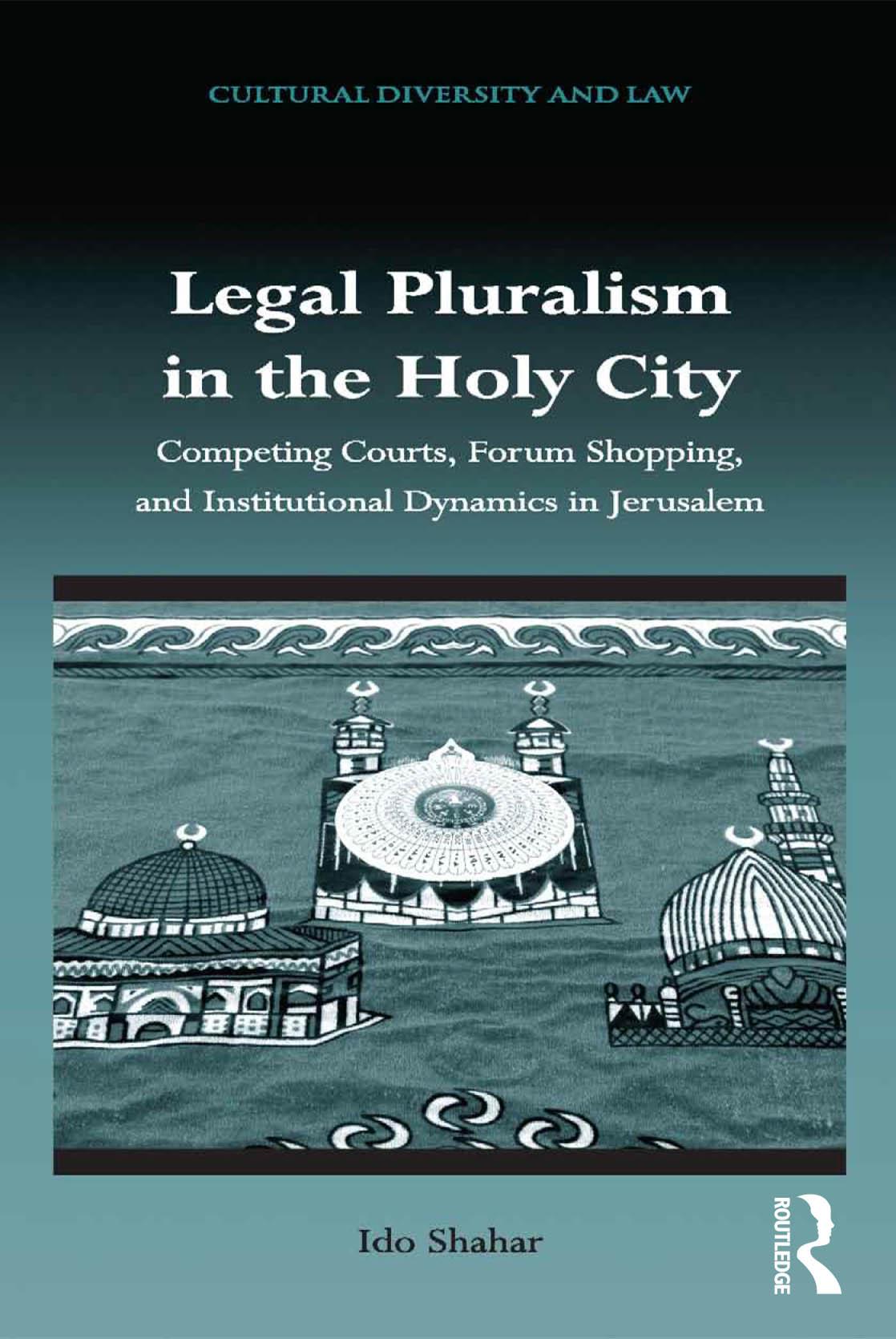
This book provides an unprecedented portrayal of a lively shari'a court in contemporary West Jerusalem, which belongs to the Israeli legal system but serves Palestinian residents of the eastern part of the city. It draws a rich picture of an intriguing institution, operating in an environment marked by legal pluralism and by exceptional political and cultural tensions. The book suggests an organizational-institutional approach to legal pluralism, which examines not only the relations between bodies of law but also the relations between courts of law serving the same population. Based on participant observations in the studied court as well as on textual and legal analyses of court cases and rulings, the study combines history and ethnography, diachronic and synchronic perspectives, and examines broad, macro-political processes as well as micro-level interactions. The book offers fresh perspectives on the phenomenon of legal pluralism, on shari'a law in practice and on Palestinian-Israeli relations in the divided city of Jerusalem. The work is a valuable resource for academics and researchers working in the areas of Legal Pluralism, Islamic Law, and socio-legal history of the Middle East.
Betal enkelt med kort, Klarna, Apple Pay eller Google Pay. Ikke fornøyd? Du har alltid 14 dagers angrerett. Les mer i våre vilkår. Har du spørsmål, send oss en e-post på hello@memmo.org.
Memmo gjør det enklere å studere – uansett hvor du er i verden. Hos oss samler du pensumbøker og smarte studieverktøy på ett og samme sted: sammendrag, quizer, podkaster og flashcards. Og så Ted, din studiekompis som svarer på alt du lurer på. Over 50 000 studenter studerer allerede her – bygget for at du skal lære raskere og stresse mindre.
Du vil kanskje også like
Kjøp boken0