
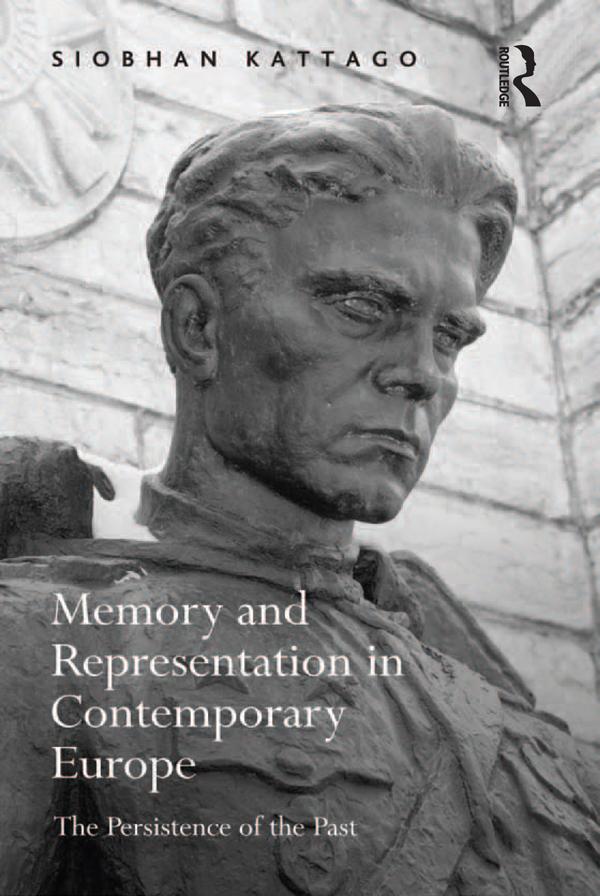
Why do certain places and not others symbolically capture the past and freeze time? Likewise, why does the process of memory, as a fluid and changing activity, seem to prevent its own solidification? Memory and Representation in Contemporary Europe reflects not only on the persistence of the past as a theme linked to modernity, media and time, but also discusses the politics of memory within a changing Europe. Drawing on the theoretical work of Hannah Arendt, Isaiah Berlin and Zygmunt Bauman, Siobhan Kattago uses examples from both Germany and Estonia in order to address the multiple layers of Europe's totalitarian past. Through reflecting on the legacy of totalitarianism and the revolutions of 1989, it becomes clear that the issue is less of whether one should remember, but rather how to internalize the various lessons of the past for the future of Europe. Memory and Representation in Contemporary Europe thus offers the reader occasions upon which to take stock of different but overlapping contours of past and present in contemporary Europe.
Betal enkelt med kort, Klarna, Apple Pay eller Google Pay. Ikke fornøyd? Du har alltid 14 dagers angrerett. Les mer i våre vilkår. Har du spørsmål, send oss en e-post på hello@memmo.org.
Memmo gjør det enklere å studere – uansett hvor du er i verden. Hos oss samler du pensumbøker og smarte studieverktøy på ett og samme sted: sammendrag, quizer, podkaster og flashcards. Og så Ted, din studiekompis som svarer på alt du lurer på. Over 50 000 studenter studerer allerede her – bygget for at du skal lære raskere og stresse mindre.
Du vil kanskje også like
Kjøp boken0