
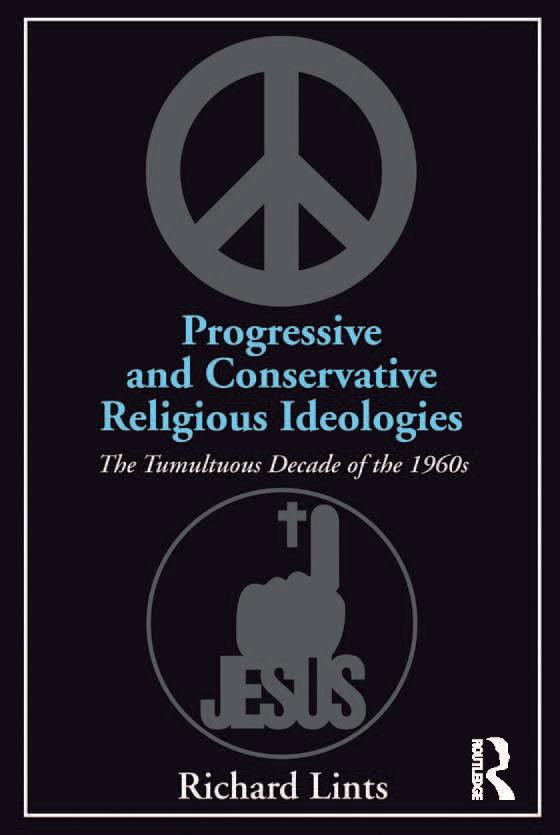
This book explores the surprisingly disruptive role of religion for progressive and conservative ideologies in the tumultuous decade of the 1960s. Conservative movements were far more progressive than the standard religious narrative of the decade alleges and the notoriously progressive ethos of the era was far more conservative than our collective memory has recognized. Lints explores how the themes of protest and retrieval intersect each other in ironic ways in the significant concrete controversies of the 1960s - the Civil Rights Movement, Second Feminist Movement, The Jesus Movements, and the Anti-War Movements - and in the conceptual conflicts of ideas during the era - The Death of God Movement, the end of ideology controversy, and the death of foundationalism. Lints argues that religion and religious ideologies serve both a prophetic function as well as a domesticating one, and that neither "conservative" nor "progressive" movements have cornered the market in either direction. In the process Lints helps us better understand the complex role of religion in cultural formation.
Betal enkelt med kort, Klarna, Apple Pay eller Google Pay. Ikke fornøyd? Du har alltid 14 dagers angrerett. Les mer i våre vilkår. Har du spørsmål, send oss en e-post på hello@memmo.org.
Memmo gjør det enklere å studere – uansett hvor du er i verden. Hos oss samler du pensumbøker og smarte studieverktøy på ett og samme sted: sammendrag, quizer, podkaster og flashcards. Og så Ted, din studiekompis som svarer på alt du lurer på. Over 50 000 studenter studerer allerede her – bygget for at du skal lære raskere og stresse mindre.
Du vil kanskje også like
Kjøp boken0