
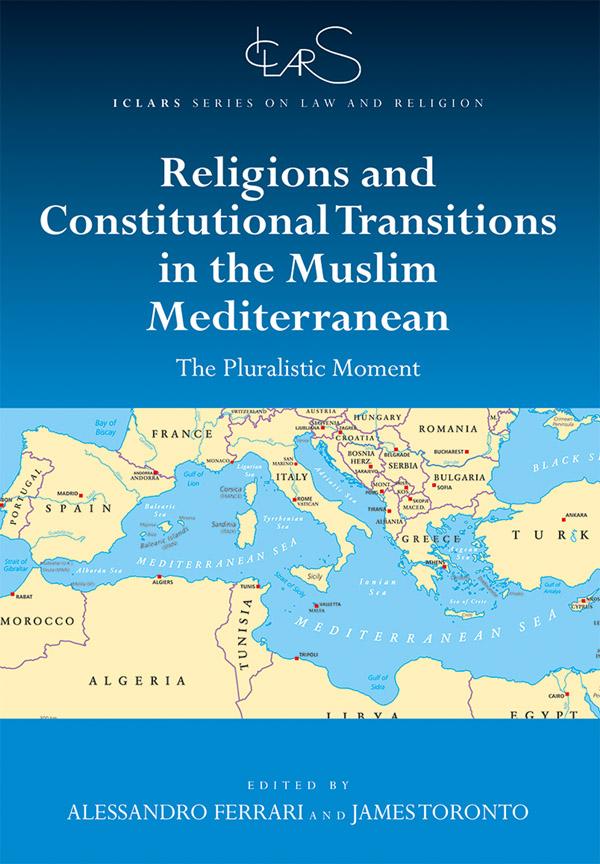
This book investigates the role of Islam and religious freedom in the constitutional transitions of six North African and Middle Eastern countries, namely Morocco, Algeria, Tunisia, Egypt, Turkey, and Palestine. In particular, the book, with an interdisciplinary approach, investigates the role of Islam as a political, institutional and societal force. Issues covered include: the role played by Islam as a constitutional reference – a "static force" able to strengthen and legitimize the entire constitutional order; Islam as a political reference used by some political parties in their struggle to acquire political power; and Islam as a specific religion that, like other religions in the area, embodies diverse perspectives on the nature and role of religious freedom in society. The volume provides insight about the political dimension of Islam, as used by political forces, as well as the religious dimension of Islam. This provides a new and wider perspective able to take into account the increasing social pluralism of the South-Mediterranean region. By analyzing three different topics – Islam and constitutionalism, religious political parties, and religious freedom – the book offers a dynamic picture of the role played by Islam and religious freedom in the process of state-building in a globalized age in which human rights and pluralism are crucial dimensions.
Betal enkelt med kort, Klarna, Apple Pay eller Google Pay. Ikke fornøyd? Du har alltid 14 dagers angrerett. Les mer i våre vilkår. Har du spørsmål, send oss en e-post på hello@memmo.org.
Memmo gjør det enklere å studere – uansett hvor du er i verden. Hos oss samler du pensumbøker og smarte studieverktøy på ett og samme sted: sammendrag, quizer, podkaster og flashcards. Og så Ted, din studiekompis som svarer på alt du lurer på. Over 50 000 studenter studerer allerede her – bygget for at du skal lære raskere og stresse mindre.
Du vil kanskje også like
Kjøp boken0