
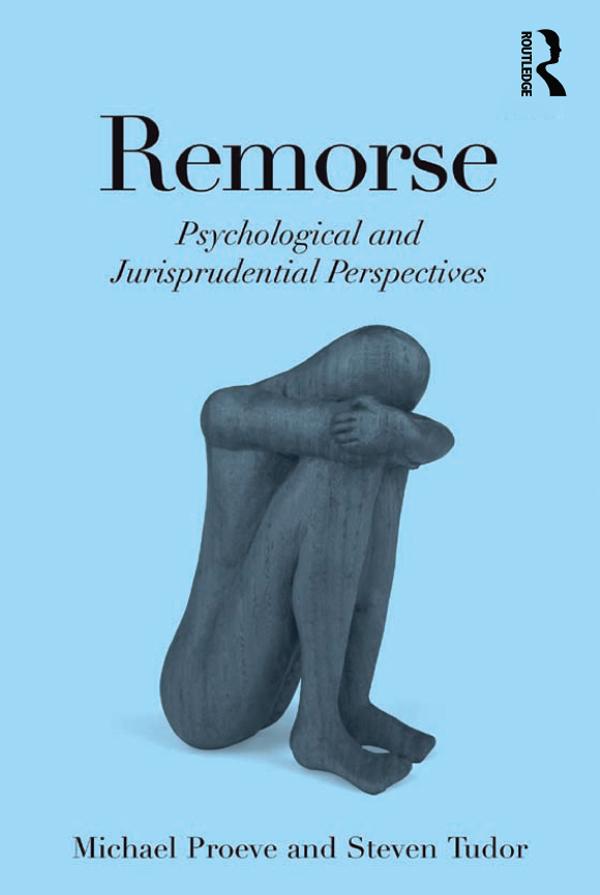
Remorse is a powerful, important and yet academically neglected emotion. This book, one of the very few extended examinations of remorse, draws on psychology, law and philosophy to present a unique interdisciplinary study of this intriguing emotion. The psychological chapters examine the fundamental nature of remorse, its interpersonal effects, and its relationship with regret, guilt and shame. A practical focus is also provided in an examination of the place of remorse in psychotherapeutic interventions with criminal offenders. The book's jurisprudential chapters explore the problem of how offender remorse is proved in court and the contentious issues concerning the effect that remorse - and its absence - should have on sentencing criminal offenders. The legal and psychological perspectives are then interwoven in a discussion of the role of remorse in restorative justice. In Remorse: Psychological and Jurisprudential Perspectives, Proeve and Tudor bring together insights of neighbouring disciplines to advance our understanding of remorse. It will be of interest to theoreticians in psychology, law and philosophy, and will be of benefit to practising psychologists and lawyers.
Betal enkelt med kort, Klarna, Apple Pay eller Google Pay. Ikke fornøyd? Du har alltid 14 dagers angrerett. Les mer i våre vilkår. Har du spørsmål, send oss en e-post på hello@memmo.org.
Memmo gjør det enklere å studere – uansett hvor du er i verden. Hos oss samler du pensumbøker og smarte studieverktøy på ett og samme sted: sammendrag, quizer, podkaster og flashcards. Og så Ted, din studiekompis som svarer på alt du lurer på. Over 50 000 studenter studerer allerede her – bygget for at du skal lære raskere og stresse mindre.
Du vil kanskje også like
Kjøp boken0