
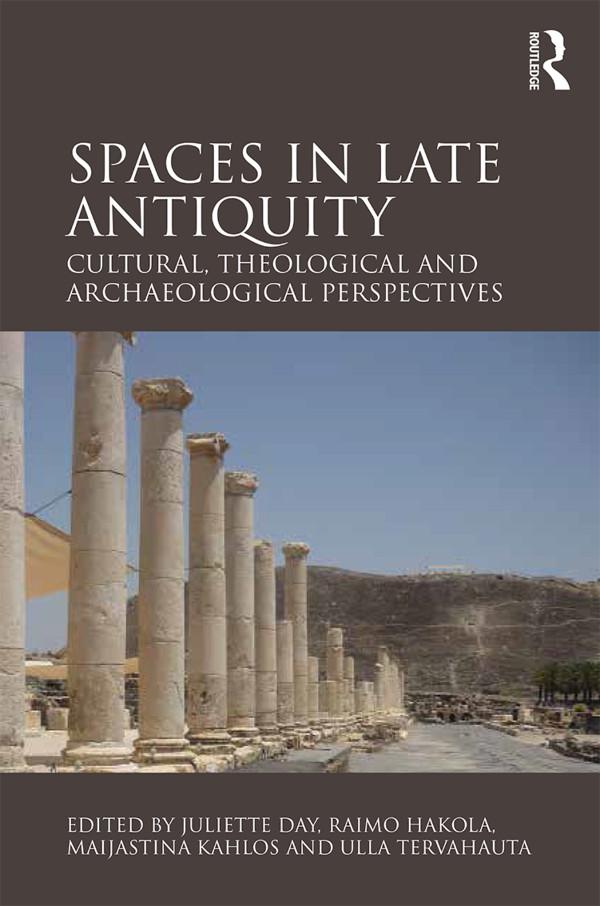
Places and spaces are key factors in how individuals and groups construct their identities. Identity theories have emphasised that the construction of an identity does not follow abstract and universal processes but is also deeply rooted in specific historical, cultural, social and material environments. The essays in this volume explore how various groups in Late Antiquity rooted their identity in special places that were imbued with meanings derived from history and tradition. In Part I, essays explore the tension between the Classical heritage in public, especially urban spaces, in the form of ancient artwork and civic celebrations and the Church's appropriation of that space through doctrinal disputes and rival public performances. Parts II and III investigate how particular locations expressed, and formed, the theological and social identities of Christian and Jewish groups by bringing together fresh insights from the archaeological and textual evidence. Together the essays here demonstrate how the use and interpretation of shared spaces contributed to the self-identity of specific groups in Late Antiquity and in so doing issued challenges, and caused conflict, with other social and religious groups.
Betal enkelt med kort, Klarna, Apple Pay eller Google Pay. Ikke fornøyd? Du har alltid 14 dagers angrerett. Les mer i våre vilkår. Har du spørsmål, send oss en e-post på hello@memmo.org.
Memmo gjør det enklere å studere – uansett hvor du er i verden. Hos oss samler du pensumbøker og smarte studieverktøy på ett og samme sted: sammendrag, quizer, podkaster og flashcards. Og så Ted, din studiekompis som svarer på alt du lurer på. Over 50 000 studenter studerer allerede her – bygget for at du skal lære raskere og stresse mindre.
Du vil kanskje også like
Kjøp boken0