
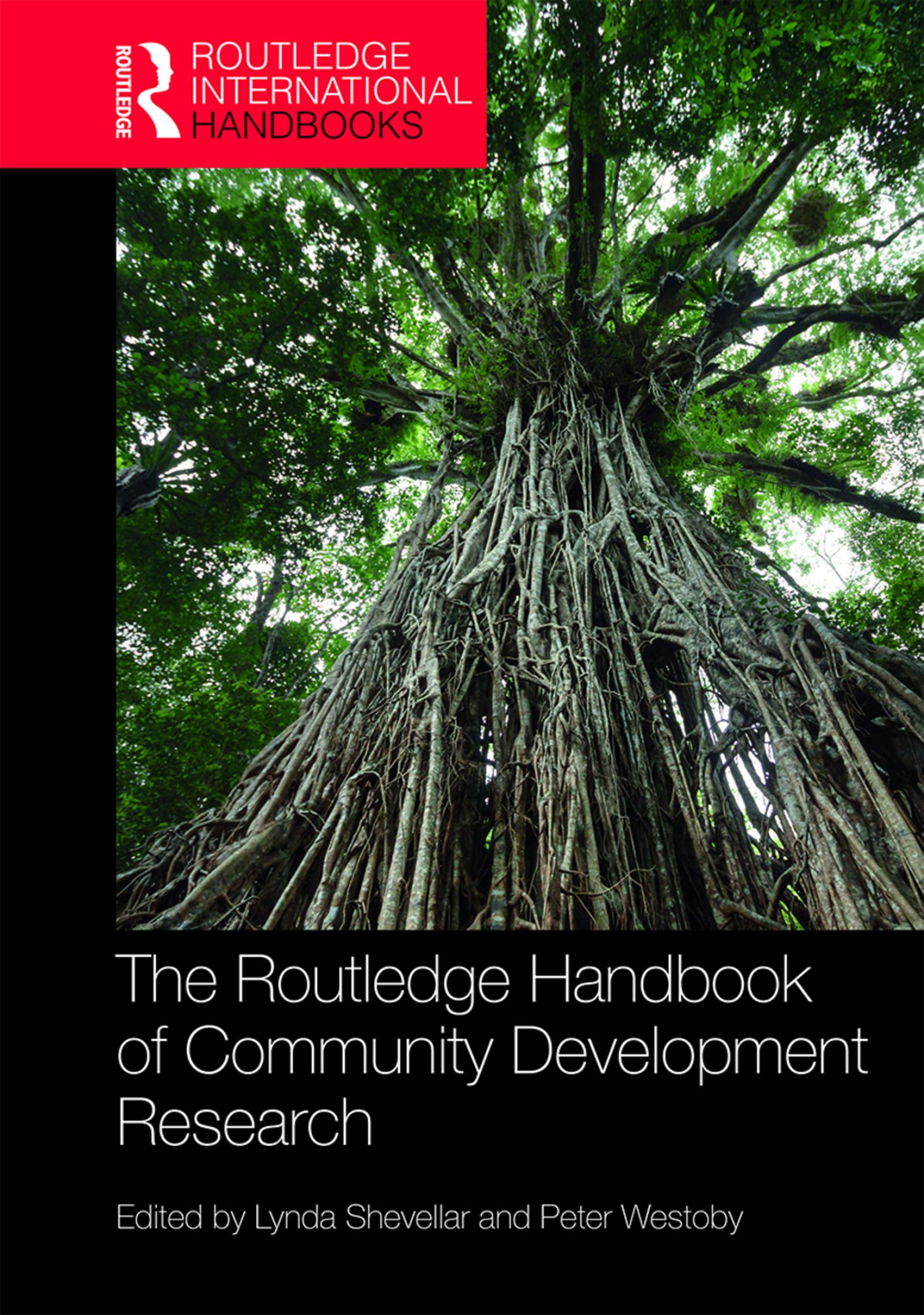
This handbook sets a new research agenda in community development. The contributors redefine existing areas within the context of interdisciplinary research, highlight emerging areas for community development related research, and provide researchers and post-graduate students with ideas and encouragement for future research activity. To do this, the editors have deliberately chosen to frame this book not through a traditional sociological lens of class, race and gender, but through a "Wicked Problems" framework.
Drawing upon the work of 37 international authors, in diverse settings such as West Papua, Peru, the USA and Australia; and with methodologies equally as diverse, from case studies and interviews to the use of music and story-telling, this handbook focuses upon five Wicked Problems: forced displacement; family, gender and child related violence; indigenous marginalisation; climate change and food security; and human survival in the context of disaster and recovery work.
By drawing together leading scholars from community development, social work and social policy, this handbook provides an up to the minute snapshot of current scholarship as well as signposting several fruitful avenues for future research. This book is both an invaluable resource for both scholars and practitioners and an indispensable teaching tool for use in the classroom and in the field.
Betal enkelt med kort, Klarna, Apple Pay eller Google Pay. Ikke fornøyd? Du har alltid 14 dagers angrerett. Les mer i våre vilkår. Har du spørsmål, send oss en e-post på hello@memmo.org.
Memmo gjør det enklere å studere – uansett hvor du er i verden. Hos oss samler du pensumbøker og smarte studieverktøy på ett og samme sted: sammendrag, quizer, podkaster og flashcards. Og så Ted, din studiekompis som svarer på alt du lurer på. Over 50 000 studenter studerer allerede her – bygget for at du skal lære raskere og stresse mindre.