
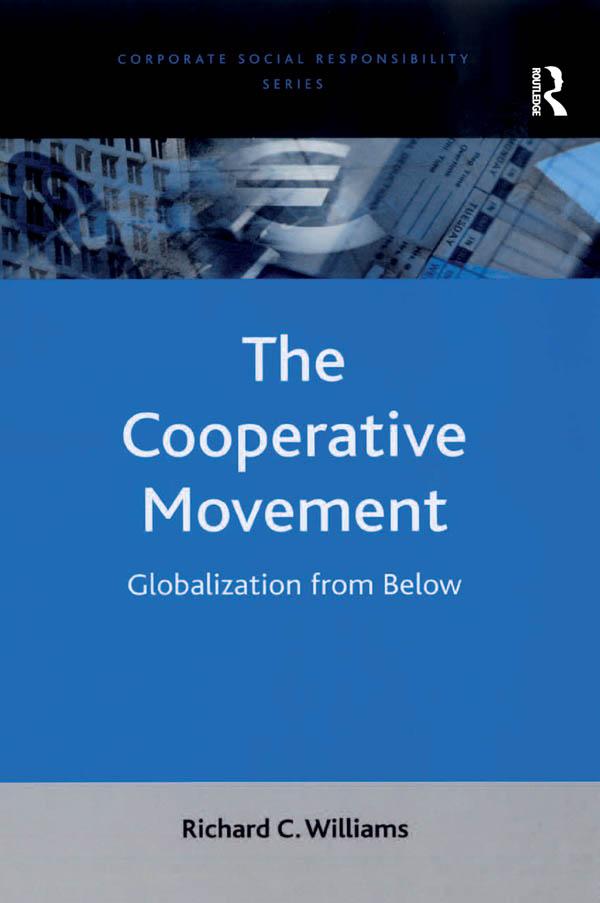
Richard Williams surveys the history of the cooperative movement from its origins in the 18th century and deals with the theory of cooperation, as contrasted with the 'Standard Economic Model', based on competition. The book contains the results of field studies of a number of successful cooperatives both in the developed and developing world. It includes insights from personal interviews of cooperative members and concludes by considering the successes and challenges of the cooperative movement as an alternative to the global neo-colonialism and imperialism that now characterizes free-market capitalist approaches to globalization. The book considers democratic and local control of essential economic activities such as the production, distribution, and retailing of goods and services. It suggests that cooperative approaches to these economic activities are already reducing poverty and resulting in equitable distributions of wealth and income without plundering the resources of developing countries.
Sider: 252
Kategori: Ekonomi & Utveckling
e-ISBN: 9781317037262
Fraktvekt: 1.2 kg
Sendes innen: 1-2 dager
Betal enkelt med kort, Klarna, Apple Pay eller Google Pay. Ikke fornøyd? Du har alltid 14 dagers angrerett. Les mer i våre vilkår. Har du spørsmål, send oss en e-post på hello@memmo.org.
Memmo gjør det enklere å studere – uansett hvor du er i verden. Hos oss samler du pensumbøker og smarte studieverktøy på ett og samme sted: sammendrag, quizer, podkaster og flashcards. Og så Ted, din studiekompis som svarer på alt du lurer på. Over 50 000 studenter studerer allerede her – bygget for at du skal lære raskere og stresse mindre.
Du vil kanskje også like
Kjøp boken0