
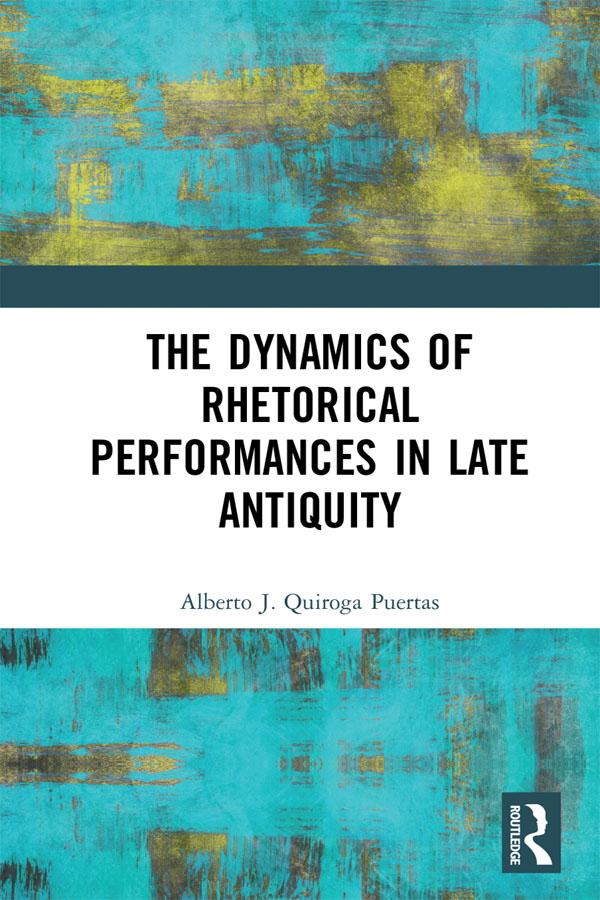
This book argues that narrations of rhetorical performances in late antique literature can be interpreted as a reflection of the ongoing debates of the time. Competition among cultural elites, strategies of self-presentation and the making of religious orthodoxy often took the shape of narrations of rhetorical performances in which comments on the display of oratorical skills also incorporated moral and ethical judgments about the performer. Using texts from late antique authors (in particular, Themistius, Synesius of Cyrene, and Libanius of Antioch), this book proposes that this type of narrative should be understood as a valuable way to decipher the cultural and religious landscape of the fourth century AD. The volume pays particular attention to narrations of deficient rhetorical deliveries, arguing that the accounts of flaws and mistakes in oratorical displays and rhetorical performances reveal how late antique literature echoed the concerns of the time. Criticisms of deficient deliveries in different speaking occasions (declamations, public speeches, oratorical agones, school exercises, sermons) were often disguised as accusations of practising magic, heresy or cultural apostasy. A close reading of the sources shows that these oratorical deficiencies hid struggles over religious, cultural and political issues.
Betal enkelt med kort, Klarna, Apple Pay eller Google Pay. Ikke fornøyd? Du har alltid 14 dagers angrerett. Les mer i våre vilkår. Har du spørsmål, send oss en e-post på hello@memmo.org.
Memmo gjør det enklere å studere – uansett hvor du er i verden. Hos oss samler du pensumbøker og smarte studieverktøy på ett og samme sted: sammendrag, quizer, podkaster og flashcards. Og så Ted, din studiekompis som svarer på alt du lurer på. Over 50 000 studenter studerer allerede her – bygget for at du skal lære raskere og stresse mindre.