
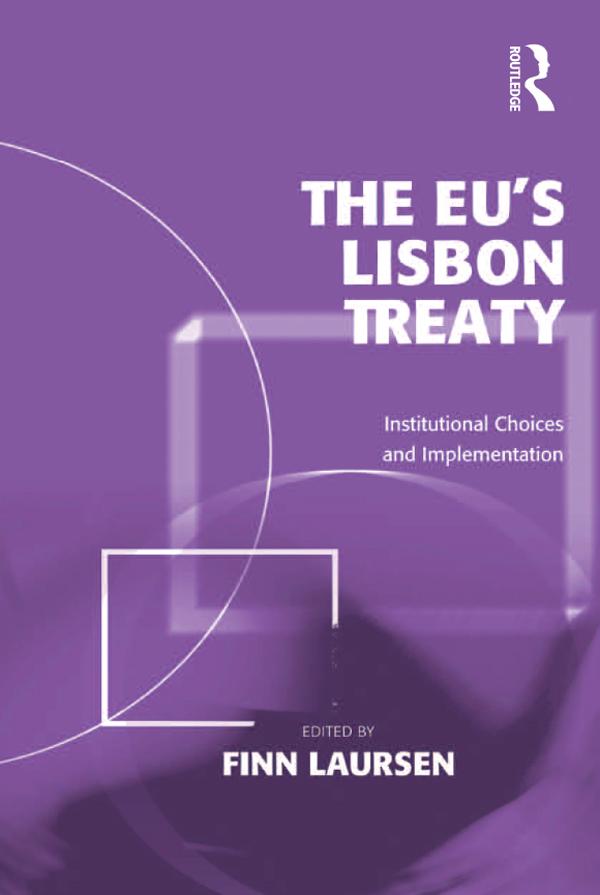
The Lisbon Treaty, which came into force in December 2009, aims to make the European Union both more efficient and legitimate. Two new important posts were created; an elected President of the European Council and a High Representative (HR) of the Union for Foreign and Security Policy who will also be a Vice-President of the Commission. Leading international scholars have been gathered together to examine the institutional choices and innovations of the Lisbon Treaty and discuss the likely effects of these changes. Will the changes meet the declared goals of a more efficient and democratic Union which will allow the EU to act internationally with greater coherence and efficiency? If institutions matter, how much do they matter? How significant is the Lisbon Treaty? What kind of leadership will be available in the post-Lisbon EU?
Betal enkelt med kort, Klarna, Apple Pay eller Google Pay. Ikke fornøyd? Du har alltid 14 dagers angrerett. Les mer i våre vilkår. Har du spørsmål, send oss en e-post på hello@memmo.org.
Memmo gjør det enklere å studere – uansett hvor du er i verden. Hos oss samler du pensumbøker og smarte studieverktøy på ett og samme sted: sammendrag, quizer, podkaster og flashcards. Og så Ted, din studiekompis som svarer på alt du lurer på. Over 50 000 studenter studerer allerede her – bygget for at du skal lære raskere og stresse mindre.
Du vil kanskje også like
Kjøp boken0