
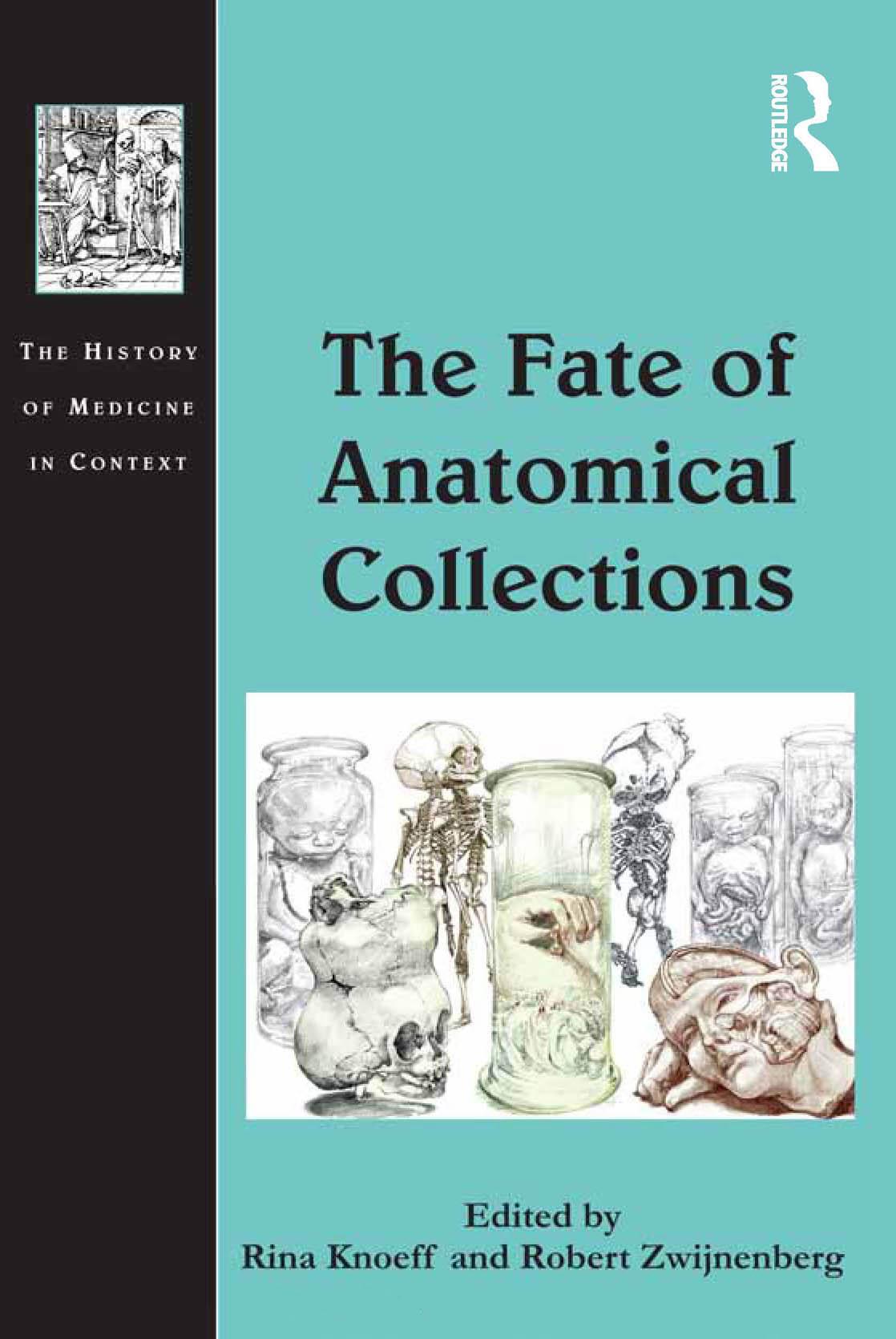
Almost every medical faculty possesses anatomical and/or pathological collections: human and animal preparations, wax- and other models, as well as drawings, photographs, documents and archives relating to them. In many institutions these collections are well-preserved, but in others they are poorly maintained and rendered inaccessible to medical and other audiences. This volume explores the changing status of anatomical collections from the early modern period to date. It is argued that anatomical and pathological collections are medically relevant not only for future generations of medical faculty and future research, but they are also important in the history of medicine, the history of the institutions to which they belong, and to the wider understanding of the cultural history of the body. Moreover, anatomical collections are crucial to new scholarly inter-disciplinary studies that investigate the interaction between arts and sciences, especially medicine, and offer a venue for the study of interactions between anatomists, scientists, anatomical artists and other groups, as well as the display and presentation of natural history and medical cabinets. In considering the fate of anatomical collections - and the importance of the keeper’s decisions with respect to collections - this volume will make an important methodological contribution to the study of collections and to discussions on how to preserve universities’ academic heritage.
Betal enkelt med kort, Klarna, Apple Pay eller Google Pay. Ikke fornøyd? Du har alltid 14 dagers angrerett. Les mer i våre vilkår. Har du spørsmål, send oss en e-post på hello@memmo.org.
Memmo gjør det enklere å studere – uansett hvor du er i verden. Hos oss samler du pensumbøker og smarte studieverktøy på ett og samme sted: sammendrag, quizer, podkaster og flashcards. Og så Ted, din studiekompis som svarer på alt du lurer på. Over 50 000 studenter studerer allerede her – bygget for at du skal lære raskere og stresse mindre.
Du vil kanskje også like
Kjøp boken0