
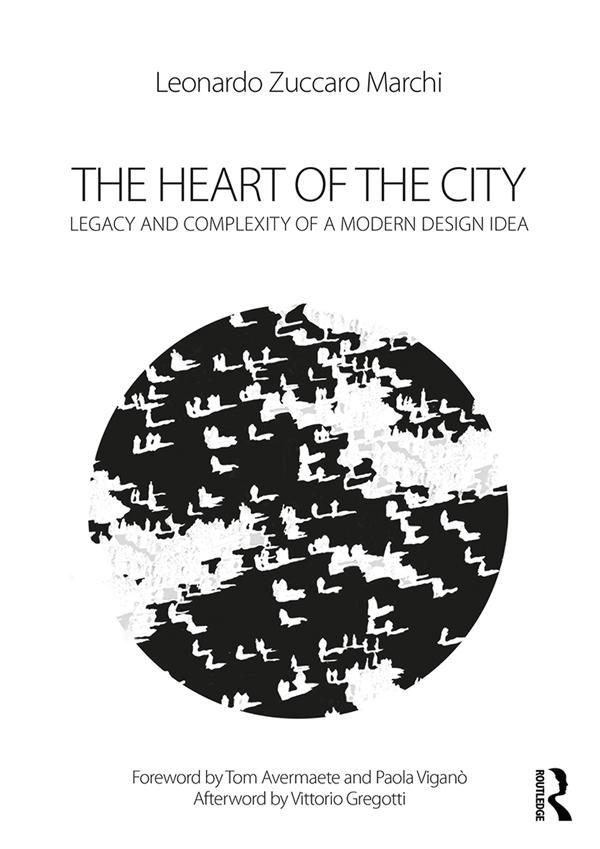
The Heart of the City concept, which was introduced at CIAM 8 in 1951, has played an important role in architectural and urban debates. The Heart became the most important of the organic references used in the 1950s for defining a theory of urban form.
This book focuses on both the historical and theoretical reinterpretation of this seminal concept. Divided into two main sections, both looking at differing ways in which the Heart has influenced more recent urban thinking, it illustrates the continuity and the complexities of the Heart of the City.
In doing so, this book offers a new perspective on the significance of public space and shows how The Heart of the City still resonates closely with contemporary debates about centrality, identity and the design of public space. It would be of interest to architects, academics and students of urban design and planning.
Betal enkelt med kort, Klarna, Apple Pay eller Google Pay. Ikke fornøyd? Du har alltid 14 dagers angrerett. Les mer i våre vilkår. Har du spørsmål, send oss en e-post på hello@memmo.org.
Memmo gjør det enklere å studere – uansett hvor du er i verden. Hos oss samler du pensumbøker og smarte studieverktøy på ett og samme sted: sammendrag, quizer, podkaster og flashcards. Og så Ted, din studiekompis som svarer på alt du lurer på. Over 50 000 studenter studerer allerede her – bygget for at du skal lære raskere og stresse mindre.