
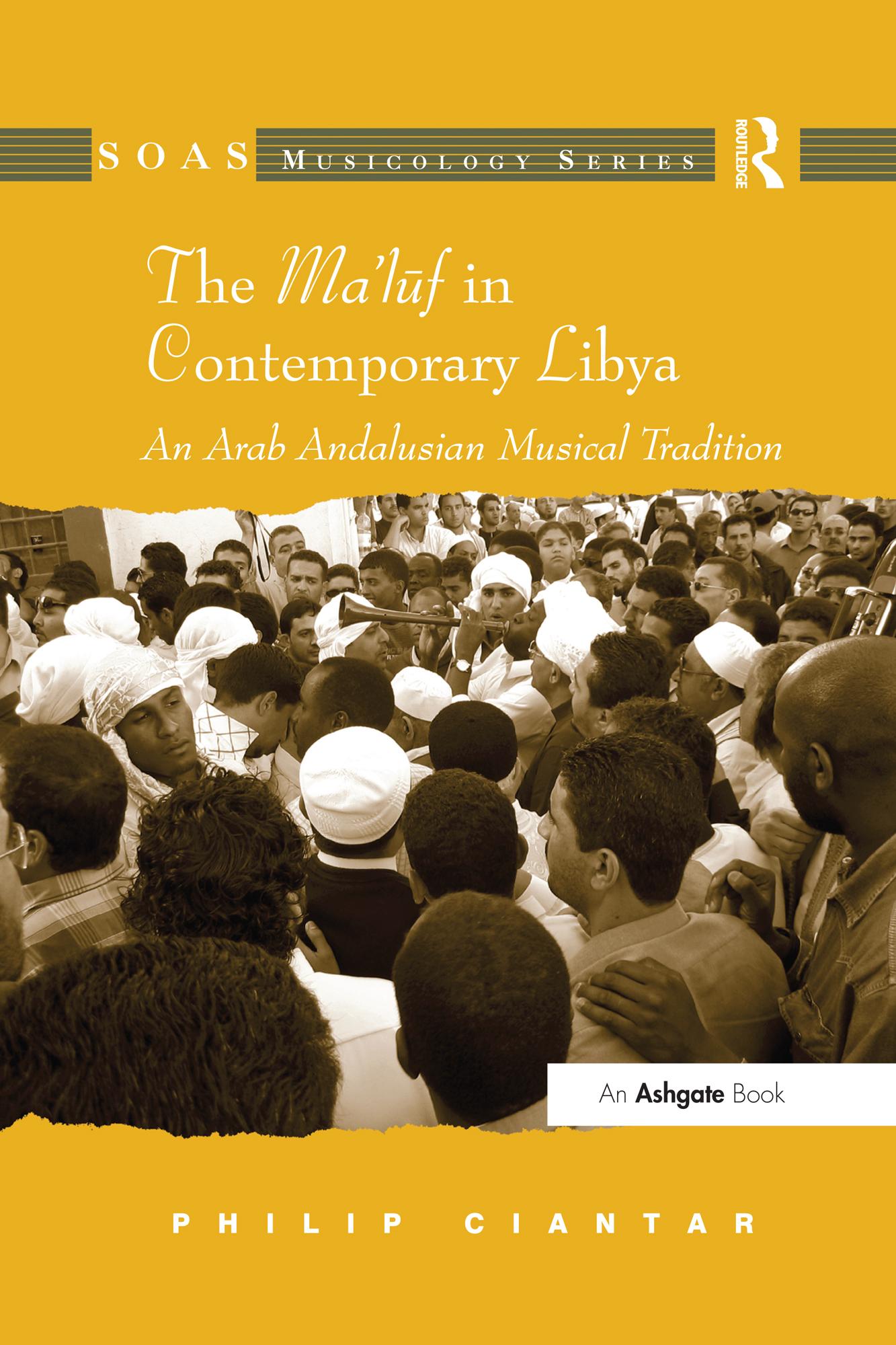
The musical tradition of Ma'luf is believed to have come to North Africa with Muslim and Jewish refugees escaping the Christian reconquista of Spain between the tenth and seventeenth centuries. Although this Arab Andalusian music tradition has been studied in other parts of the region, until now, the Libyan version has not received Western scholarly attention. This book investigates the place of this orally-transmitted music tradition in contemporary Libyan life and culture. It investigates the people that make it and the institutions that nurture it as much as the tradition itself. Patronage, music making, discourse both about life and music, history, and ideology all unite in a music tradition which looks innocent from the outside but appears quite intriguing and intricate the more one explores it.
Betal enkelt med kort, Klarna, Apple Pay eller Google Pay. Ikke fornøyd? Du har alltid 14 dagers angrerett. Les mer i våre vilkår. Har du spørsmål, send oss en e-post på hello@memmo.org.
Memmo gjør det enklere å studere – uansett hvor du er i verden. Hos oss samler du pensumbøker og smarte studieverktøy på ett og samme sted: sammendrag, quizer, podkaster og flashcards. Og så Ted, din studiekompis som svarer på alt du lurer på. Over 50 000 studenter studerer allerede her – bygget for at du skal lære raskere og stresse mindre.
Du vil kanskje også like
Kjøp boken0