
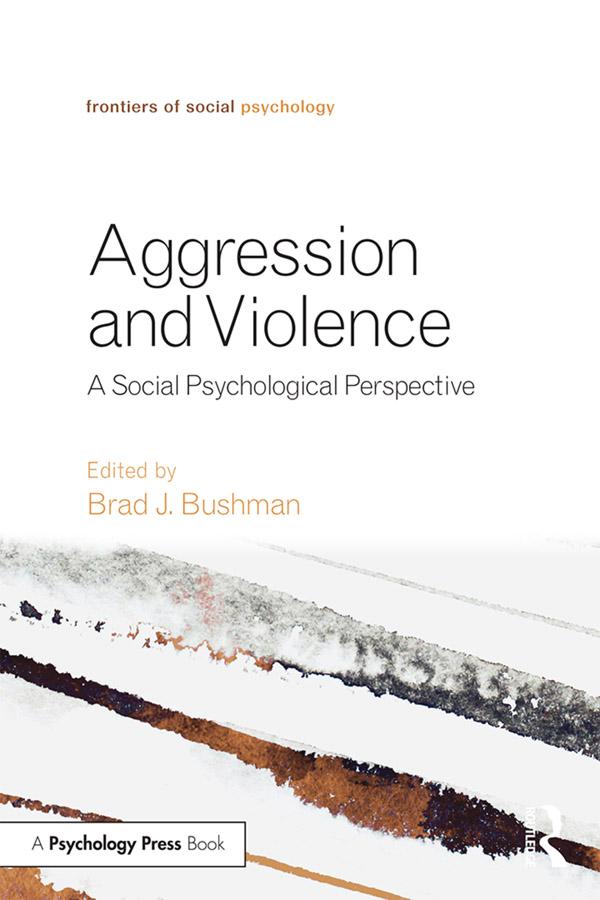
This book provides a broad and contemporary overview of aggression and violence by some of the most internationally renowned researchers in the field. It begins with an integrative theoretical understanding of aggression and shows how animal models shed light on human aggression and violence.
Individual risk factors for aggression and violence from different research perspectives are then examined. First, there is a cognitive neuroscientific, neuropsychological, and psychophysiological study of the brain. It then explores the developmental psychological factors in aggressive behavior, incorporating work on gender and the family. Other perspectives include the role of testosterone, individual differences, and whether humans are innately wired for violence.
The following sections moves from the individual to the contextual risk factors for aggression, including work on the effects of adverse events and ostracism, guns and other aggressive cues including violent media, and drugs and alcohol.
Targets of aggression and violence are covered in the next section, including violence against women and loved ones; aggression between social groups; and the two very contemporary issues of cyberbullying and terrorism.
The book concludes with work showing how we may make the world a more peaceful place by preventing and reducing aggression and violence.
The volume is essential reading for upper-level students and researchers of psychology and related disciplines interested in a rigorous and multi-perspective overview of work on aggression and violence.
Betal enkelt med kort, Klarna, Apple Pay eller Google Pay. Ikke fornøyd? Du har alltid 14 dagers angrerett. Les mer i våre vilkår. Har du spørsmål, send oss en e-post på hello@memmo.org.
Memmo gjør det enklere å studere – uansett hvor du er i verden. Hos oss samler du pensumbøker og smarte studieverktøy på ett og samme sted: sammendrag, quizer, podkaster og flashcards. Og så Ted, din studiekompis som svarer på alt du lurer på. Over 50 000 studenter studerer allerede her – bygget for at du skal lære raskere og stresse mindre.