
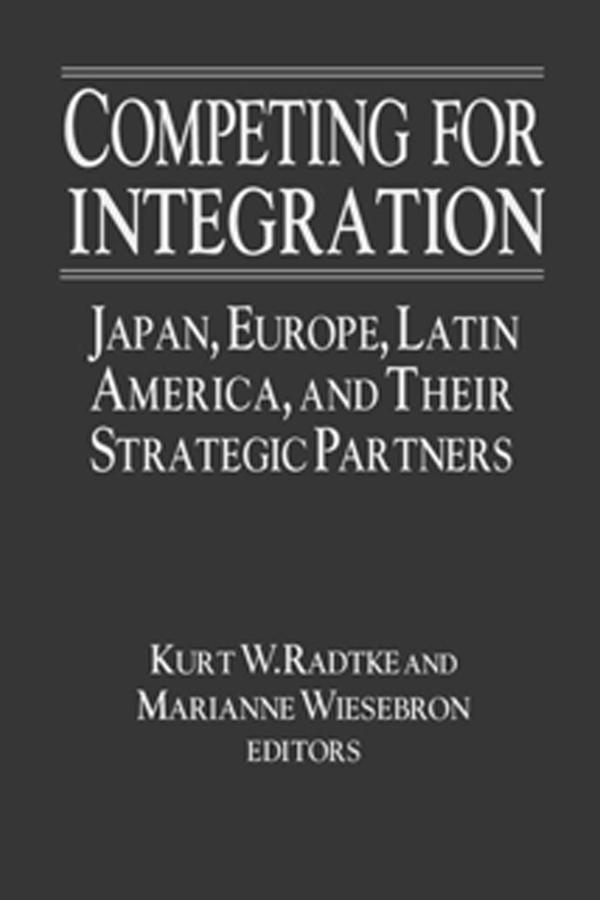
This study demonstrates why the global economy and global policies can only be understood by assigning equal importance to actors from different continents and international institutions. The contributors begin by examining the effects of reducing trade barriers through the WTO processes, and the implications for our understanding of market forces, the diminishing capacity of governments, consumer power, and the role of international agreements. They provide fascinating details on how the European Union and Japan develop their own strategies toward emerging Asian and Latin American states, quite separately from the United States.The focus then shifts toward integration processes in Latin America. The book concludes by attempting to make sense of the political principles underlying the complex economic policies of the main actors in today's global economy, focusing on development strategies offered by the World Bank.
Betal enkelt med kort, Klarna, Apple Pay eller Google Pay. Ikke fornøyd? Du har alltid 14 dagers angrerett. Les mer i våre vilkår. Har du spørsmål, send oss en e-post på hello@memmo.org.
Memmo gjør det enklere å studere – uansett hvor du er i verden. Hos oss samler du pensumbøker og smarte studieverktøy på ett og samme sted: sammendrag, quizer, podkaster og flashcards. Og så Ted, din studiekompis som svarer på alt du lurer på. Over 50 000 studenter studerer allerede her – bygget for at du skal lære raskere og stresse mindre.
Du vil kanskje også like
Kjøp boken0