
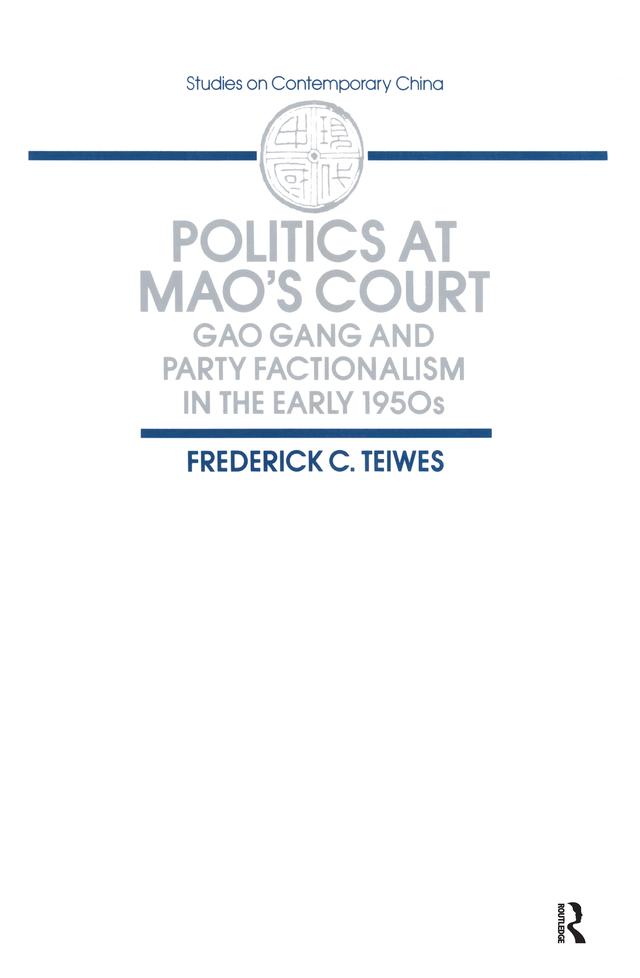
The investigation of the rise and fall of Gao Gang suggests broader implications on the nature of elite politics in the Maoist era. The illumination of basic issues in Chinese politics in the context of this case, especially as regards the role of Mao Zedong, is relevant not only to the initial post-1949 period of comparative, but flawed, party unity, but also to the structural fault lines of the political system which were later to contribute so significantly to the Cultural Revolution.
Betal enkelt med kort, Klarna, Apple Pay eller Google Pay. Ikke fornøyd? Du har alltid 14 dagers angrerett. Les mer i våre vilkår. Har du spørsmål, send oss en e-post på hello@memmo.org.
Memmo gjør det enklere å studere – uansett hvor du er i verden. Hos oss samler du pensumbøker og smarte studieverktøy på ett og samme sted: sammendrag, quizer, podkaster og flashcards. Og så Ted, din studiekompis som svarer på alt du lurer på. Over 50 000 studenter studerer allerede her – bygget for at du skal lære raskere og stresse mindre.
Du vil kanskje også like
Kjøp boken0