
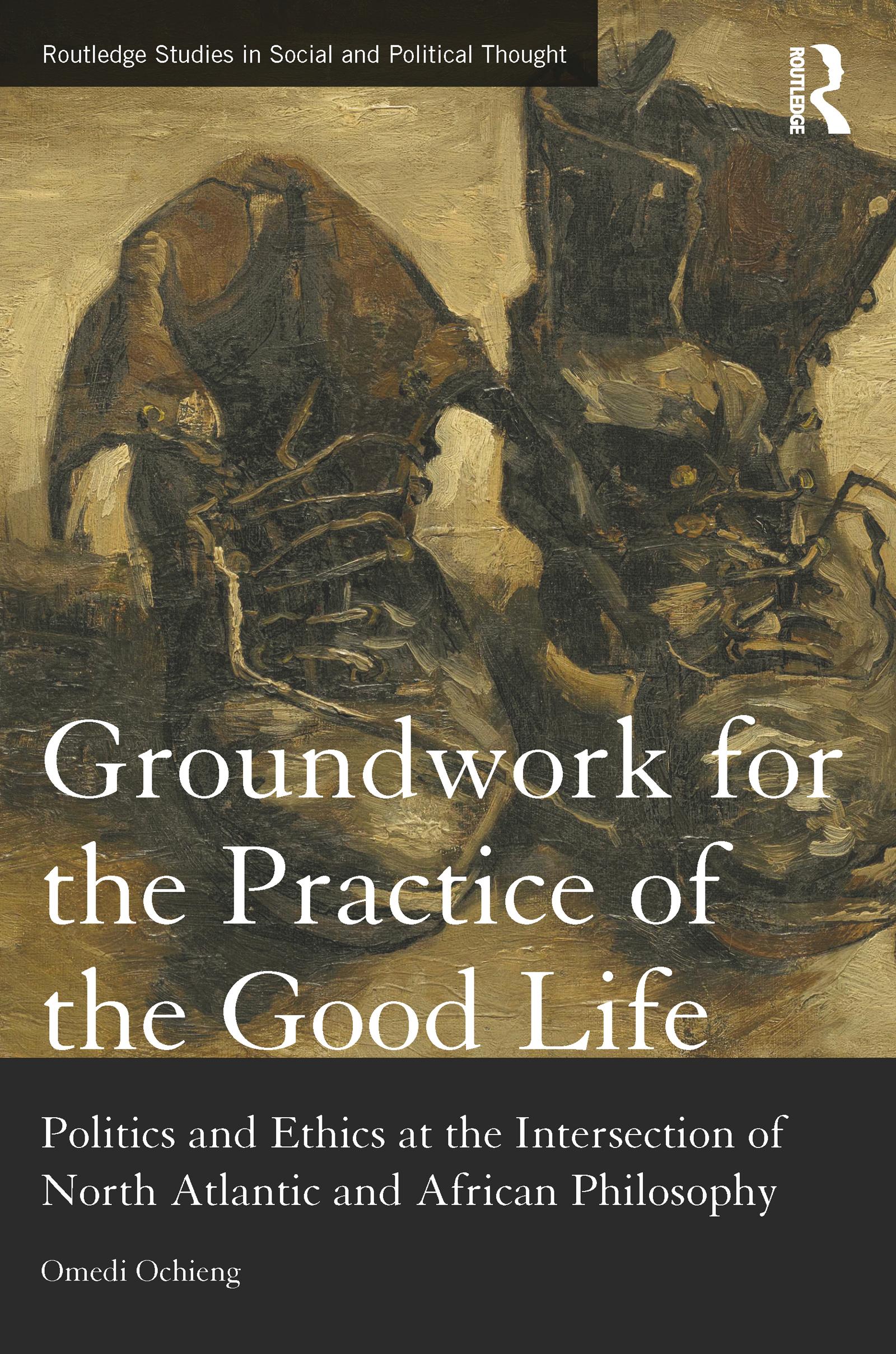
What makes for good societies and good lives in a global world? In this landmark work of political and ethical philosophy, Omedi Ochieng offers a radical reassessment of a millennia-old question. He does so by offering a stringent critique of both North Atlantic and African philosophical traditions, which he argues unfold visions of the good life that are characterized by idealism, moralism, and parochialism. But rather than simply opposing these flawed visions of the good life with his own set of alternative prescriptions, Ochieng argues that it is critically important to step back and understand the stakes of the question. Those stakes, he suggests, are to be found only through a social ontology – a comprehensive and in-depth account of the political, economic, and cultural structures that mark the boundaries and limits of life in the twenty-first century. It is only in light of this social ontology that Ochieng then proffers an alternative normative account of the good society and the good life – which he spells out as emergent from ecological embeddedness; social entanglement; embodied encounter; and aesthetic engenderment. At once sweeping and rigorous, incisive and subtle, original and revisionary, this book does more than just appeal to intellectuals and scholars across the humanities and social sciences – rather, it opens up the academic disciplines to a whole new landscape of exploration into the biggest and most pressing questions animating the human experience.
Betal enkelt med kort, Klarna, Apple Pay eller Google Pay. Ikke fornøyd? Du har alltid 14 dagers angrerett. Les mer i våre vilkår. Har du spørsmål, send oss en e-post på hello@memmo.org.
Memmo gjør det enklere å studere – uansett hvor du er i verden. Hos oss samler du pensumbøker og smarte studieverktøy på ett og samme sted: sammendrag, quizer, podkaster og flashcards. Og så Ted, din studiekompis som svarer på alt du lurer på. Over 50 000 studenter studerer allerede her – bygget for at du skal lære raskere og stresse mindre.