
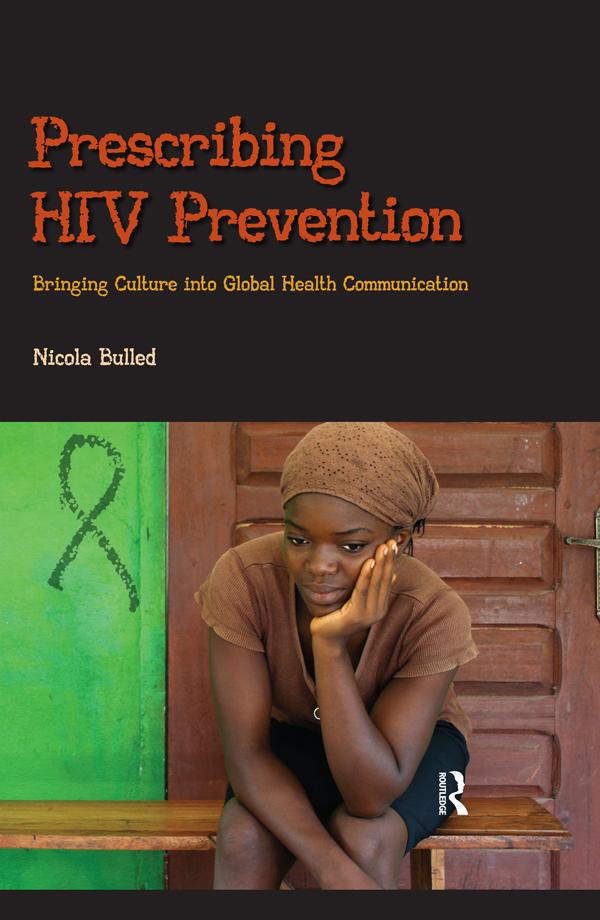
Critical health communication scholars point out that the acceptance of HIV risk prevention methods are bound inside inequitable structures of power and knowledge. Nicola Bulled’s in-depth ethnographic account of how these messages are selected, transmitted and reacted to by young adults in the AIDS-torn population of Lesotho in southern Africa provides a crucial example of the importance of a culture-centered approach to health communication. She shows the clash between traditional western perceptions of how increased knowledge will increase compliance with western ideas of prevention, and mixed messages offered by local religious, educational, and media institutions. Bulled also demonstrates how structural and geographical forces prevent the delivery and acceptance of health messages, and how local communities shape their own knowledge of health, disease and illness. This volume will be of interest to medical anthropologists and sociologists, to those in health communication, and to researchers working on issues related to HIV.
Betal enkelt med kort, Klarna, Apple Pay eller Google Pay. Ikke fornøyd? Du har alltid 14 dagers angrerett. Les mer i våre vilkår. Har du spørsmål, send oss en e-post på hello@memmo.org.
Memmo gjør det enklere å studere – uansett hvor du er i verden. Hos oss samler du pensumbøker og smarte studieverktøy på ett og samme sted: sammendrag, quizer, podkaster og flashcards. Og så Ted, din studiekompis som svarer på alt du lurer på. Over 50 000 studenter studerer allerede her – bygget for at du skal lære raskere og stresse mindre.
Du vil kanskje også like
Kjøp boken0