
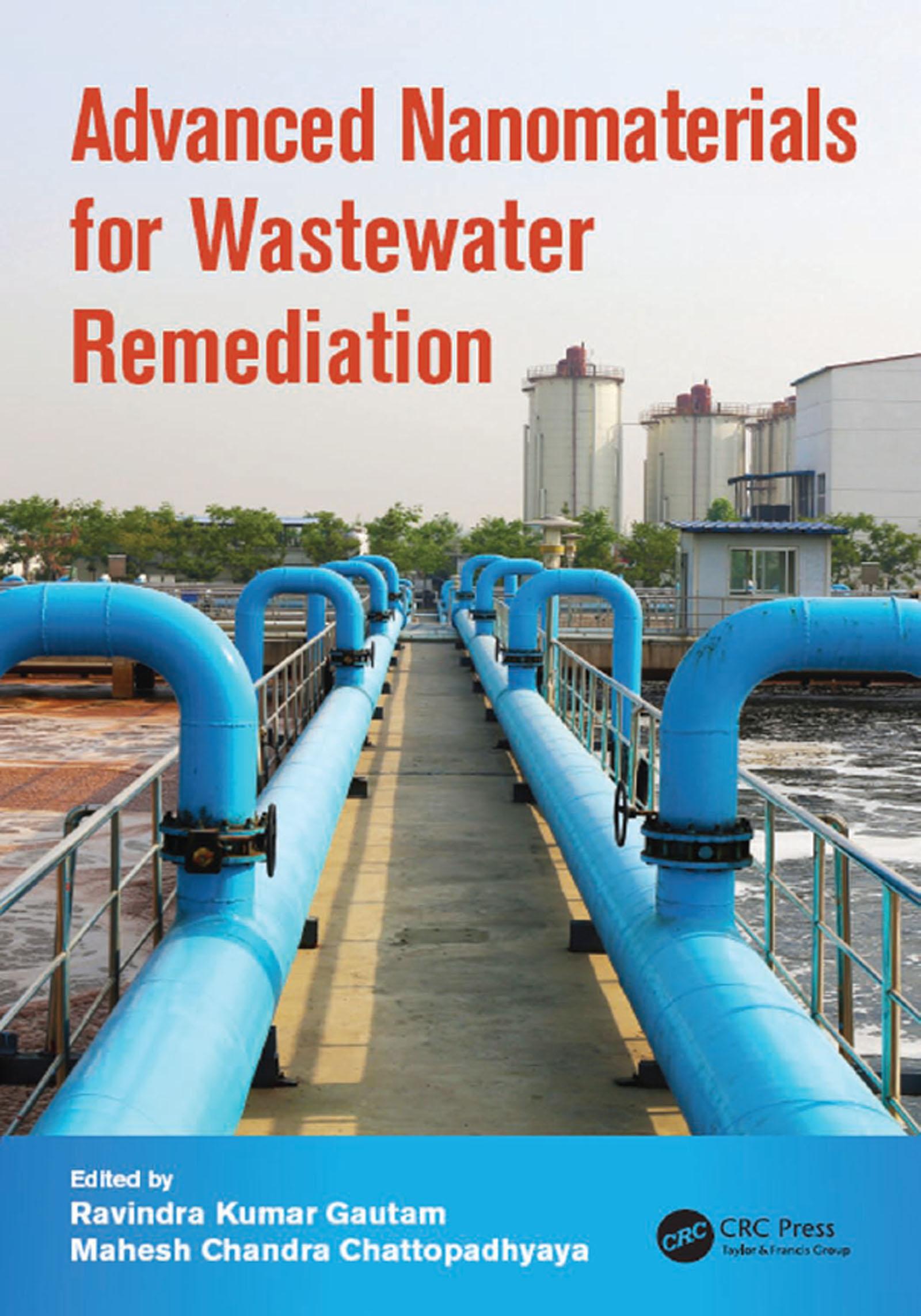
Contamination of aqueous environments by hazardous chemical compounds is the direct cause of the decline of safe clean water supply throughout the globe. The use of unconventional water sources such as treated wastewater will be a new norm. Emerging nanotechnological innovations have great potential for wastewater remediation processes. Applications that use smart nanomaterials of inorganic and organic origin improve treatment efficiency and lower energy requirements. This book describes the synthesis, fabrication, and application of advanced nanomaterials in water treatment processes; their adsorption, transformation into low toxic forms, or degradation phenomena, and the adsorption and separation of hazardous dyes, organic pollutants, heavy metals and metalloids from aqueous solutions. It explains the use of different categories of nanomaterials for various pollutants and enhances understanding of nanotechnology-based water remediation to make it less toxic and reusable.
Betal enkelt med kort, Klarna, Apple Pay eller Google Pay. Ikke fornøyd? Du har alltid 14 dagers angrerett. Les mer i våre vilkår. Har du spørsmål, send oss en e-post på hello@memmo.org.
Memmo gjør det enklere å studere – uansett hvor du er i verden. Hos oss samler du pensumbøker og smarte studieverktøy på ett og samme sted: sammendrag, quizer, podkaster og flashcards. Og så Ted, din studiekompis som svarer på alt du lurer på. Over 50 000 studenter studerer allerede her – bygget for at du skal lære raskere og stresse mindre.