
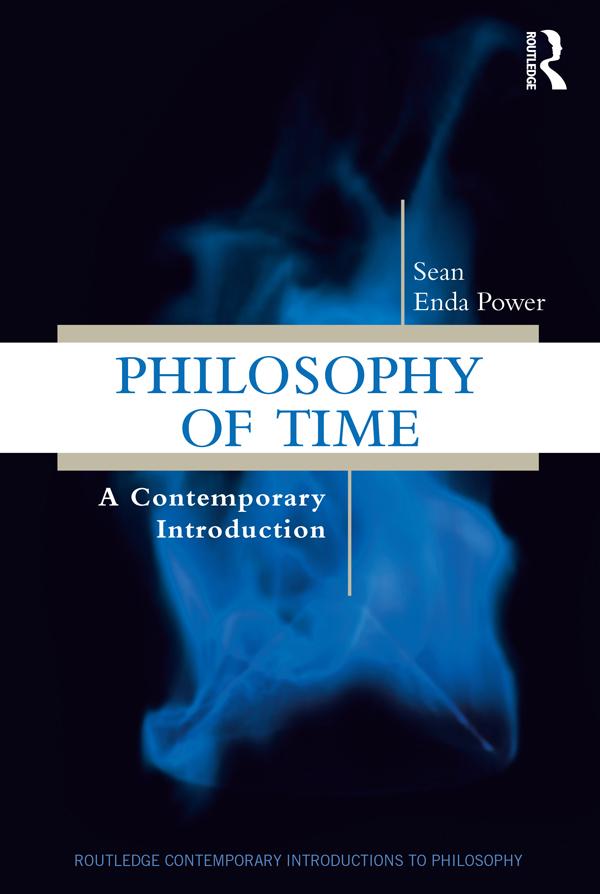
As a growing area of research, the philosophy of time is increasingly relevant to different areas of philosophy and even other disciplines. This book describes and evaluates the most important debates in philosophy of time, under several subject areas: metaphysics, epistemology, physics, philosophy of language, philosophy of mind, cognitive science, rationality, and art.
Questions this book investigates include the following. Can we know what time really is? Is time possible, especially given modern physics? Must there be time because we cannot think without it? What do we experience of time? How might philosophy of time be relevant to understanding the mind–body relationship or evidence in cognitive science? Can the philosophy of time help us understand biases toward the future and the fear of death? How is time relevant to art—and is art relevant to philosophical debates about time? Finally, what exactly could time travel be? And could time travel satisfy emotions such as nostalgia and regret?
Through asking such questions, and showing how they might be best answered, the book demonstrates the importance philosophy of time has in contemporary thought. Each of the book’s ten chapters begins with a helpful introduction and ends with study questions and an annotated list of further reading. This and a comprehensive bibliography at the end of the book prepare the reader to go further in their study of the philosophy of time.
Betal enkelt med kort, Klarna, Apple Pay eller Google Pay. Ikke fornøyd? Du har alltid 14 dagers angrerett. Les mer i våre vilkår. Har du spørsmål, send oss en e-post på hello@memmo.org.
Memmo gjør det enklere å studere – uansett hvor du er i verden. Hos oss samler du pensumbøker og smarte studieverktøy på ett og samme sted: sammendrag, quizer, podkaster og flashcards. Og så Ted, din studiekompis som svarer på alt du lurer på. Over 50 000 studenter studerer allerede her – bygget for at du skal lære raskere og stresse mindre.