
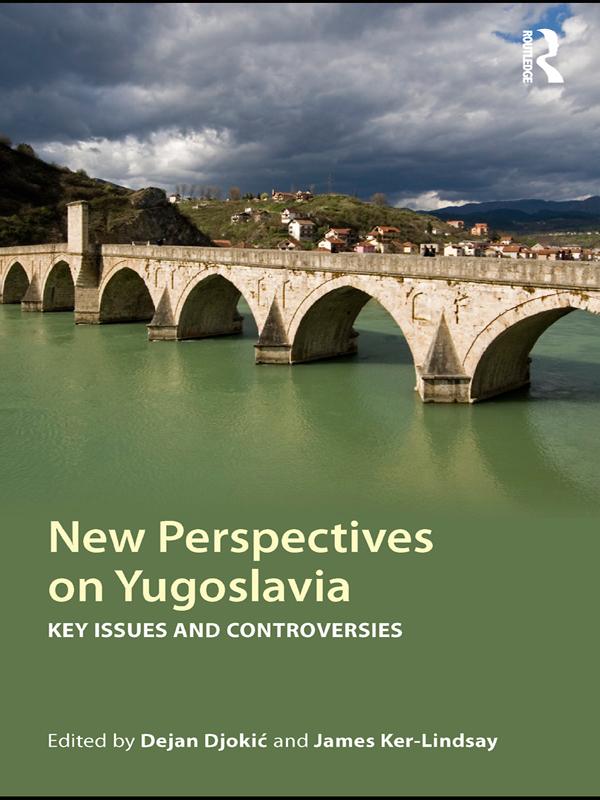
Nearly twenty years after it ceased to exist as a multinational federation, Yugoslavia still has the power to provoke controversy and debate. Bringing together contributions from twelve of the leading scholars of modern and contemporary South East Europe, this volume explores the history of Yugoslavia from creation to dissolution.
Drawing on the very latest historical research, this book explains how the country came about, how it evolved and why, eventually, it failed. From the start of the twentieth century, through the First World War, the interwar years and the Second World War, to the road to socialism under President Tito and the wars of Yugoslav succession in the 1990s, this volume provides up to date analysis of the causes and consequences of a range of events that shaped the development of this remarkable state across its various iterations. The book concludes by examining post-conflict relations in the era of European integration.
Traversing ninety years of history, this volume presents a fascinating story of how a country that once served as the model for multiethnic states around the world has now become a byword for ethno-national fragmentation and conflict.
Contributors include Dejan Djokić, James Ker-Lindsay, Connie Robinson, Mark Cornwall, John Paul Newman, Tomislav Dulić, Stevan K. Pavlowitch, Dejan Jović, Nebojša Vladisavljević, Florian Bieber, Jasna Dragović-Soso and Eric Gordy.
Betal enkelt med kort, Klarna, Apple Pay eller Google Pay. Ikke fornøyd? Du har alltid 14 dagers angrerett. Les mer i våre vilkår. Har du spørsmål, send oss en e-post på hello@memmo.org.
Memmo gjør det enklere å studere – uansett hvor du er i verden. Hos oss samler du pensumbøker og smarte studieverktøy på ett og samme sted: sammendrag, quizer, podkaster og flashcards. Og så Ted, din studiekompis som svarer på alt du lurer på. Over 50 000 studenter studerer allerede her – bygget for at du skal lære raskere og stresse mindre.