
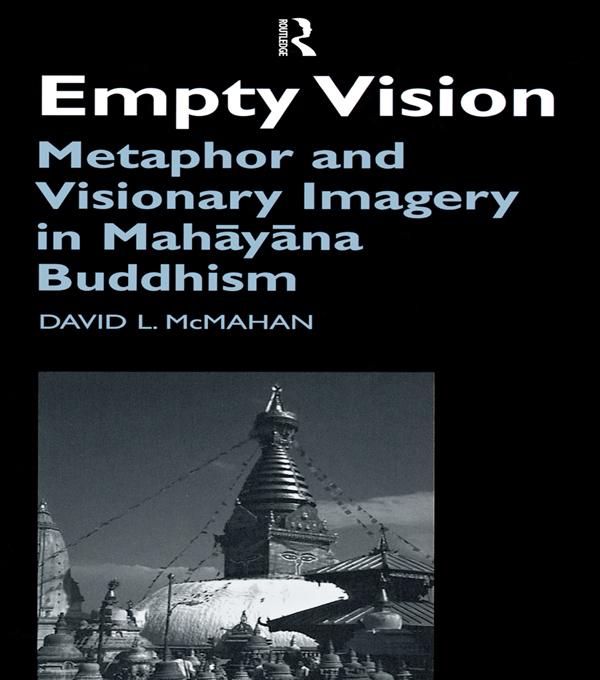
Visual metaphors in a number of Mahayana sutras construct a discourse in which visual perception serves as a model for knowledge and enlightenment. In the Perfection of Wisdom (Prajnaparamita) and other Mahayana literature, immediate access to reality is symbolized by vision and set in opposition to language and conceptual thinking, which are construed as obscuring reality. In addition to its philosophical manifestations, the tension between vision and language also functioned as a strategy of legitimation in the struggle of the early heterodox Mahayana movement for authority and legitimacy. This emphasis on vision also served as a resource for the abundant mythical imagery in Mahayana sutras, imagery that is ritualized in Vajrayana visualization practices. McMahan brings a wide range of literature to bear on this issue, Including a rare analysis of the lavish imagery of the Gandavyuha Sutra in its Indian context. He concludes with a discussion of Indian approaches to visuality in the light of some recent discussions of "ocularcentrism" in the west, inviting scholars to expand the current discussion of vision and its roles in constructing epistemic systems and cultural practices beyond its exclusively European and American focus.
Betal enkelt med kort, Klarna, Apple Pay eller Google Pay. Ikke fornøyd? Du har alltid 14 dagers angrerett. Les mer i våre vilkår. Har du spørsmål, send oss en e-post på hello@memmo.org.
Memmo gjør det enklere å studere – uansett hvor du er i verden. Hos oss samler du pensumbøker og smarte studieverktøy på ett og samme sted: sammendrag, quizer, podkaster og flashcards. Og så Ted, din studiekompis som svarer på alt du lurer på. Over 50 000 studenter studerer allerede her – bygget for at du skal lære raskere og stresse mindre.
Du vil kanskje også like
Kjøp boken0