
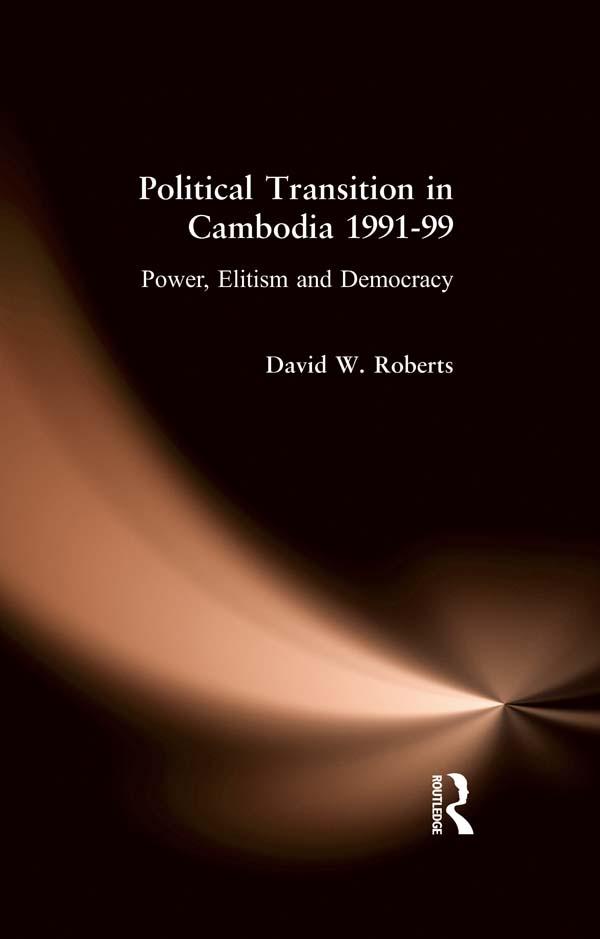
This book illustrates the limits to the 1990s UNTAC peacekeeping intervention in Cambodia and raises a critical challenge to the assumptions underpinning key tenets of the 'Liberal Project' as a mechanism for resolving complex, severe struggles for elite political power in developing countries.
The book highlights the limitations of externally imposed power-sharing. In the case of Cambodia, the imagined effect was a coalition that would share power democratically. However, this approach was appropriate only for resolving the superpower conflict that had created Cambodia's war. Rather than bringing long-term peace to Cambodia, Roberts argues, it created the temporary illusion of a democratic system that in fact recreated the military conflict and housed it in a superficial coalition.
The book challenges assumptions regarding the inevitability of the globalization of liberalism as a means of ordering non-western societies. It explains the failure of democratic transition in terms of the impropriety and weakness of the plan which preceded it, and in terms of the elite's traditional reliance on absolutism and resistance to the concept of 'Opposition'.
Betal enkelt med kort, Klarna, Apple Pay eller Google Pay. Ikke fornøyd? Du har alltid 14 dagers angrerett. Les mer i våre vilkår. Har du spørsmål, send oss en e-post på hello@memmo.org.
Memmo gjør det enklere å studere – uansett hvor du er i verden. Hos oss samler du pensumbøker og smarte studieverktøy på ett og samme sted: sammendrag, quizer, podkaster og flashcards. Og så Ted, din studiekompis som svarer på alt du lurer på. Over 50 000 studenter studerer allerede her – bygget for at du skal lære raskere og stresse mindre.