
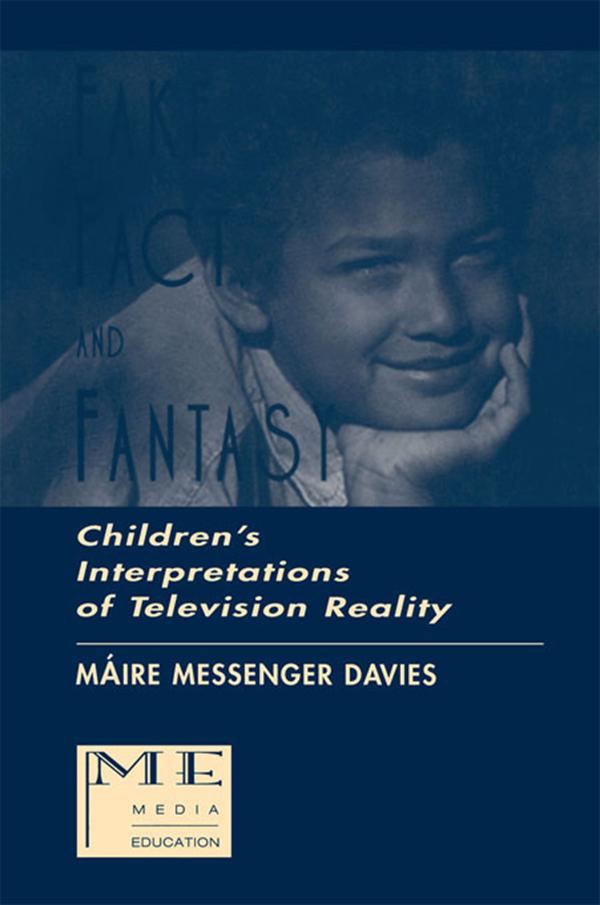
Based on a study examining the meaning of the term "media literacy" in children, this volume concentrates on audiovisual narratives of television and film and their effects. It closely examines children's concepts of real and unreal and how they learn to make distinctions between the two. It also explores the idea that children are protected from the harmful effects of violence on television by the knowledge that what they see is not real.
This volume is unique in its use of children's own words to explore their awareness of the submerged conventions of television genres, of their functions and effects, of their relationship to the real world, and of how this awareness varies with age and other factors. Based on detailed questionnaire data and conversations with 6 to 11-year-old children, carried out with the support of a fellowship at the Annenberg School for Communication, University of Pennsylvania, the book eloquently demonstrates how children use their knowledge of real life, of literature, and of art, in intelligently evaluating the relationship between television's formats, and the real world in which they live.
Betal enkelt med kort, Klarna, Apple Pay eller Google Pay. Ikke fornøyd? Du har alltid 14 dagers angrerett. Les mer i våre vilkår. Har du spørsmål, send oss en e-post på hello@memmo.org.
Memmo gjør det enklere å studere – uansett hvor du er i verden. Hos oss samler du pensumbøker og smarte studieverktøy på ett og samme sted: sammendrag, quizer, podkaster og flashcards. Og så Ted, din studiekompis som svarer på alt du lurer på. Over 50 000 studenter studerer allerede her – bygget for at du skal lære raskere og stresse mindre.