
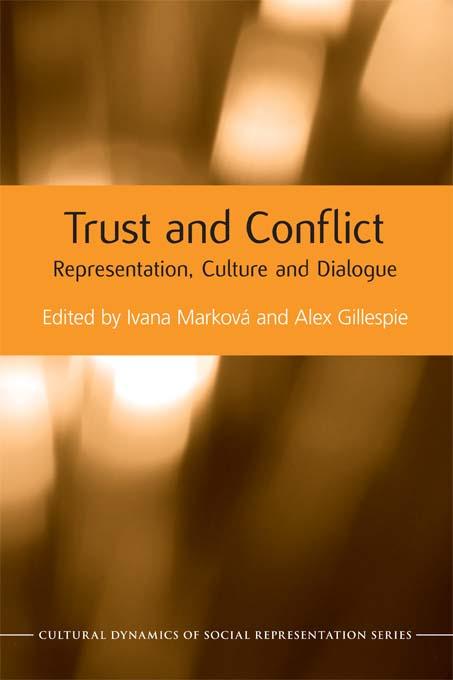
Trust, distrust and conflict between social groups have existed throughout the history of humankind, although their forms have changed. Using three main concepts: culture, representation and dialogue, this book explores and re-thinks some of these changes in relation to concrete historical and contemporary events.
Part I offers a symbolic and historical analysis of trust and distrust while Parts II and III examine trust, distrust and conflict in specific events including the Cyprus conflict, Estonian collective memories, coping with HIV/AIDS in China, Swedish asylum seekers, the Cuban missile crisis and Stalinist confessions. With an impressive array of international contributors the chapters draw on a number of key concepts such as self and other, ingroup and outgroup, contact between groups, categorization, brinkmanship, knowledge, beliefs and myth.
Trust and Conflict offers a fresh perspective on the problems that arise from treating trust, distrust and conflict as simplified indicators. Instead, it proposes that human and social sciences can view these phenomena within the complex matrix of interacting perspectives and meta-perspectives that characterise the social world. As such it will be of interest to undergraduates, postgraduates and lecturers of human and social sciences especially social psychology, sociology, political science and communication studies.
Betal enkelt med kort, Klarna, Apple Pay eller Google Pay. Ikke fornøyd? Du har alltid 14 dagers angrerett. Les mer i våre vilkår. Har du spørsmål, send oss en e-post på hello@memmo.org.
Memmo gjør det enklere å studere – uansett hvor du er i verden. Hos oss samler du pensumbøker og smarte studieverktøy på ett og samme sted: sammendrag, quizer, podkaster og flashcards. Og så Ted, din studiekompis som svarer på alt du lurer på. Over 50 000 studenter studerer allerede her – bygget for at du skal lære raskere og stresse mindre.