
Før Memmo var notatene mine spredt overalt i PDF-er. Nå samler et arbeidsområde alt på ett sted – jeg ser akkurat hva som gjenstår å studere.
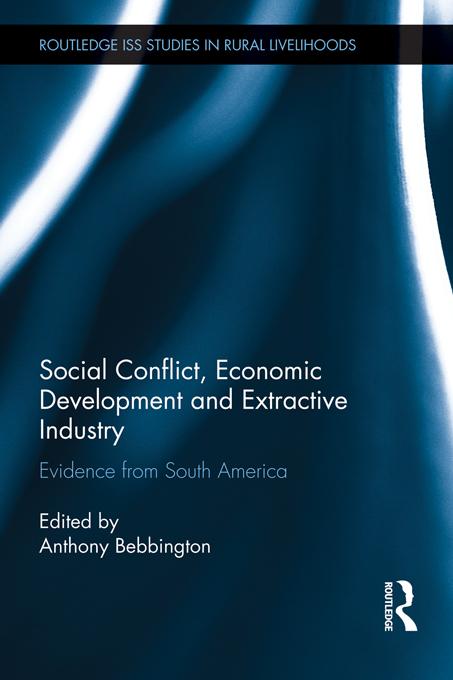
The extraction of minerals, oil and gas has a long and ambiguous history in development processes – in North America, Europe, Latin America and Australasia. Extraction has yielded wealth, regional identities and in some cases capital for industrialization. In other cases its main heritages have been social conflict, environmental damage and underperforming national economies. As the extractive economy has entered another boom period over the last decade, not least in Latin America, the countries in which this boom is occurring are challenged to interpret this ambiguity. Will the extractive industry yield, for them, economic development, or will its main gifts be ones of conflict, degradation and unequal forms of growth.
This book speaks directly to this question and to the different ways in which Latin American countries are responding to the challenge of extractive industry. The contributors are a mixture of geographers, economists, political scientists, development experts and anthropologists, who all draw on sustained field work in the region. By digging deep into both national and local experiences with extractive industry they demonstrate the ways in which it transforms economies, societies, polities and environments. They pay particular attention to the social conflict that extraction consistently produces, and they ask how far this conflict might usher in political and institutional changes that could lead to a more productive relationship between extraction and development. They also ask whether the existence of left-of-centre governments in the region changes the relationships between extractive industry and development.
The book makes clear the immense difficulties that countries and regional societies face in harnessing extractive industry for the collective good. For the most part the findings question the wisdom of the development model that many countries in the region have taken up and which emphasises the productive roles of mining and hydrocarbon industries. The book should be of interest to students and researchers of Development Studies, Geography, Politics and Political Economy, as well as Anthropology.
Før Memmo var notatene mine spredt overalt i PDF-er. Nå samler et arbeidsområde alt på ett sted – jeg ser akkurat hva som gjenstår å studere.
Memmos sammendrag er gull før eksamen. Jeg slipper å lese 800 sider to uker før – bare det viktigste.
AI-chatten har reddet meg kvelden før eksamen mer enn én gang. Jeg bare spør til jeg forstår – slipper å vente på svar i en studiegruppe.
Quizene treffer akkurat det jeg trenger å vite. Memmo holder styr på hva jeg sliter med – så jeg øver bare på det som er verdt det.
Flashcards med repetisjon over tid er magi. Memmo vet når jeg er i ferd med å glemme noe og viser det igjen.
AI-podkastene er min favoritt. Jeg lytter på vei til skolen og får en repetisjon uten å sitte foran en datamaskin.

Handbok i kvalitativa metoder
281 kr

Hållbar utveckling: en introduktion för ingenjörer och andra problemlösare
334 kr

Brymans Samhällsvetenskapliga metoder
390 kr

Projektledning
491 kr

Den orättvisa hälsan: om socioekonomiska skillnader i hälsa och livslängd
326 kr

Organizational Leadership
429 kr

Vetenskapsteori för nybörjare
196 kr

På väg mot läraryrket
172 kr

Det sociala livet i skolan: Socialpsykologiska perspektiv
253 kr

Betygsättningens didaktik
151 kr

Personality
402 kr

Studying Leadership
404 kr

Managing Innovation
477 kr

Introduktion till samhällsvetenskaplig metod
347 kr

The Psychology of Sex and Gender
698 kr

Evidens och kunskap för socialt arbete
207 kr

Introduction to Leadership
605 kr