
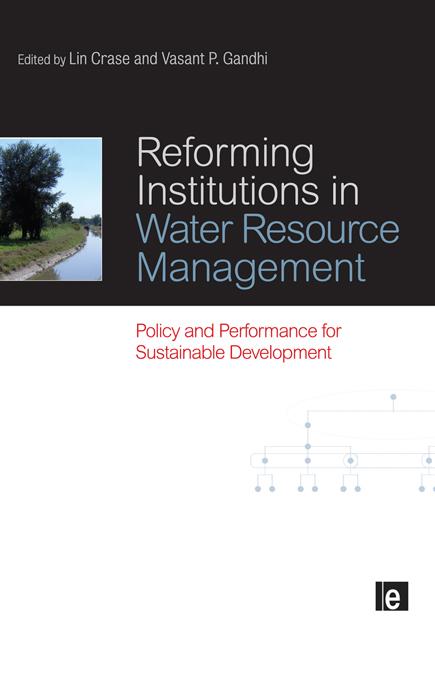
As water scarcities increase, nations throughout the world are in search of better institutions to manage water resources. India has been making substantial efforts to develop its water management systems since independence and significant increases in irrigated agriculture have taken place through both public and private initiatives. However, scarcities are increasing and major problems presently confront the management of water resources and irrigated agriculture. Resolving these problems is crucial for the future.
The main purpose of this book is to provide a new approach for the analysis and design of water institutions that govern the use and development of water resources, particularly for agriculture which is the largest user. Drawing on the theory of New Institutional Economics and comparisons with Australia (as a developed country) and other less developed nations in Africa and Asia, the authors present original empirical data from three Indian states. Detailed analysis of these data is used to identify and recommend attributes and features of water management institutions that are conducive to effective resource management, its long-term success, and its best contribution to development.
Betal enkelt med kort, Klarna, Apple Pay eller Google Pay. Ikke fornøyd? Du har alltid 14 dagers angrerett. Les mer i våre vilkår. Har du spørsmål, send oss en e-post på hello@memmo.org.
Memmo gjør det enklere å studere – uansett hvor du er i verden. Hos oss samler du pensumbøker og smarte studieverktøy på ett og samme sted: sammendrag, quizer, podkaster og flashcards. Og så Ted, din studiekompis som svarer på alt du lurer på. Over 50 000 studenter studerer allerede her – bygget for at du skal lære raskere og stresse mindre.