
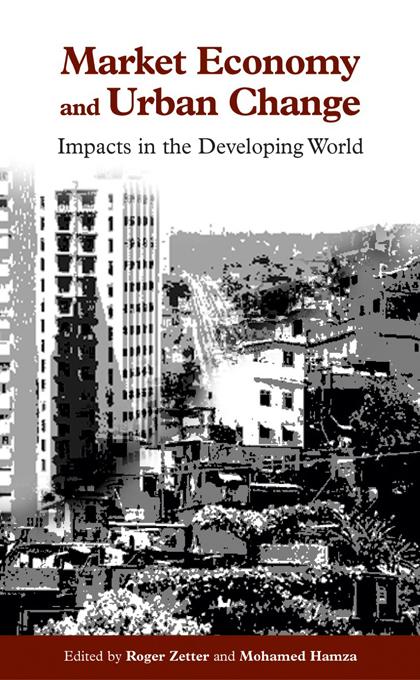
Across the developing world the preceding decade or so has witnessed a profound reconfiguration of the political economy of urban policy. This new policy environment is driven by globalization, the neo-liberal macro-economic package of 'market enablement' and structural adjustment, which now form the dominant development paradigm. The consequences of this approach for urban development agendas and ultimately the lives and livelihoods of millions of people across the globe are profound.
Market Economy and Urban Change explores and evaluates urban sector and development policies in the context of market enablement, and the associated instruments of structural adjustment, urban management reform and 'good' governance. By articulating the linkages between this neo-liberal development paradigm and the way different actors in the urban sector enact policy responses, the book provides an understanding of both the factors driving market enablement, and its impacts on urban sector policies and programmes. With case studies drawn from countries such as Egypt, Mexico, Kenya, Brazil, Colombia and transitional economies, the book focuses in particular on the implications for land, shelter and related sectoral policies for poverty alleviation. By linking policy to practice, the book seeks to inform policy-makers in governments, donor and implementing agencies of the impact of shifts in the development debate on urban sector strategies.
Betal enkelt med kort, Klarna, Apple Pay eller Google Pay. Ikke fornøyd? Du har alltid 14 dagers angrerett. Les mer i våre vilkår. Har du spørsmål, send oss en e-post på hello@memmo.org.
Memmo gjør det enklere å studere – uansett hvor du er i verden. Hos oss samler du pensumbøker og smarte studieverktøy på ett og samme sted: sammendrag, quizer, podkaster og flashcards. Og så Ted, din studiekompis som svarer på alt du lurer på. Over 50 000 studenter studerer allerede her – bygget for at du skal lære raskere og stresse mindre.