
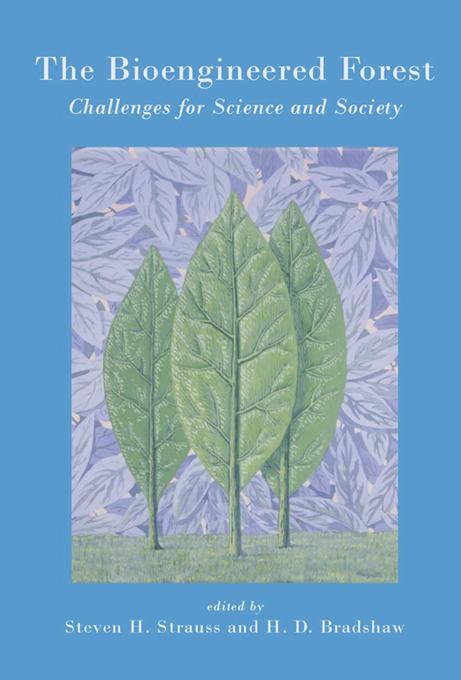
Bioengineering offers many opportunities for forestry. Bioengineered trees can produce more valuable wood, help reclaim contaminated land, improve the health of urban trees, and facilitate pest management. But the ecological risks are complex, and public views about the ethical acceptability of genetic engineering vary widely. Unique in its breadth and diversity, The Bioengineered Forest begins with a survey of the range of forestry practices for which the use of biotechnologies might be appropriate. Scholars representing diverse academic perspectives and viewpoints examine in depth the economic and environmental rationale for forest biotechnologies and the current state of technology with respect to gene performance and safety. They consider the contemporary political and economic environment in which bioengineering is being introduced and where the 'genomic revolution' might take forestry and genetic engineering in the future. The Bioengineered Forest presents compelling arguments in favor of genetic engineering. Just as powerfully, it examines the significant technical and legal hurdles involved in genetic engineering, the undesirable environmental and social consequences that might result from its misapplication, and the risks for businesses that are looking too exclusively for near-term benefits.
Betal enkelt med kort, Klarna, Apple Pay eller Google Pay. Ikke fornøyd? Du har alltid 14 dagers angrerett. Les mer i våre vilkår. Har du spørsmål, send oss en e-post på hello@memmo.org.
Memmo gjør det enklere å studere – uansett hvor du er i verden. Hos oss samler du pensumbøker og smarte studieverktøy på ett og samme sted: sammendrag, quizer, podkaster og flashcards. Og så Ted, din studiekompis som svarer på alt du lurer på. Over 50 000 studenter studerer allerede her – bygget for at du skal lære raskere og stresse mindre.
Du vil kanskje også like
Kjøp boken0