
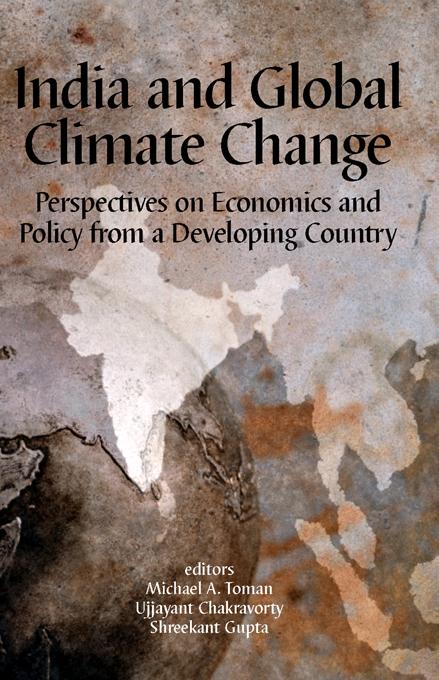
Though the impact of climate change will most likely be greatest with the already poor and vulnerable populations in the developing world, much of the writing about the costs and benefits of different policies to reduce greenhouse gas (GHG) emissions is by Western scholars, working in advanced industrialized economies. Drawing the majority of its contributions from authors based at Indian universities and other research centers, India and Global Climate Change provides a developing world perspective on the debate.
With a population of over one billion, and an economy that is undergoing substantial restructuring and greatly increased economic growth after a number of years of stagnation, India has an exceptional stake in the debate about climate change policy. Using the Indian example, this volume looks at such policy issues as the energy economy relationships that drive GHG emissions; the options and costs for restricting GHG emissions while promoting sustainable development; and the design of innovative mechanisms for expanded international cooperation with GHG mitigation.
Betal enkelt med kort, Klarna, Apple Pay eller Google Pay. Ikke fornøyd? Du har alltid 14 dagers angrerett. Les mer i våre vilkår. Har du spørsmål, send oss en e-post på hello@memmo.org.
Memmo gjør det enklere å studere – uansett hvor du er i verden. Hos oss samler du pensumbøker og smarte studieverktøy på ett og samme sted: sammendrag, quizer, podkaster og flashcards. Og så Ted, din studiekompis som svarer på alt du lurer på. Over 50 000 studenter studerer allerede her – bygget for at du skal lære raskere og stresse mindre.