
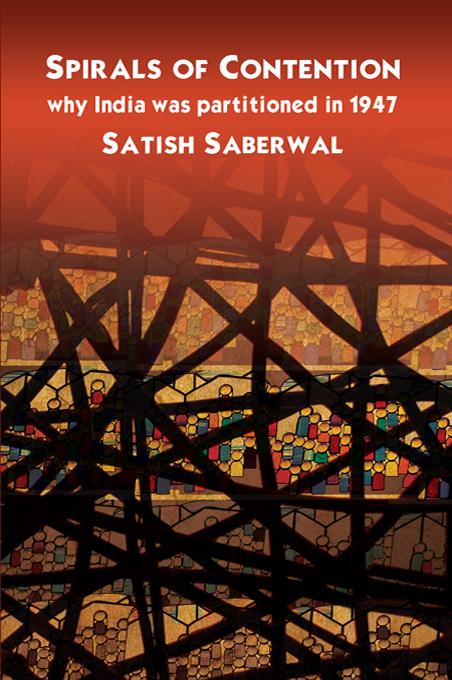
This study examines the social and psychological processes that led to the Partition of the Indian subcontinent in 1947. It recognizes the long-term continuities in the idiom of conflict (as well as cooperation), and shows that, by 1900, the conflicts and animosities were gathering a self-aggravating momentum. The book moves back and forth between evidence and general, or theoretical, understanding.
Separateness between Hindus and Muslims grew reciprocally, with hardening religious identities and the growing frequency of incidents of conflict. These skirmishes had several dimensions: symbolic (desecrating places of worship), societal (conversions), and physical (violence against women). As mutual trust declined, a quarter century of negotiations under diverse auspices failed to yield an agreement, and even the framework of the Partition in 1947 was imposed by the colonial rulers.
A theoretically informed study, this book takes a comparative stance along several axes. Recognizing long-term continuities in the idiom of conflict (as well as of cooperation), it will be of interest to students of conflicts, Partitions, history, sociology, and South Asian studies.
Betal enkelt med kort, Klarna, Apple Pay eller Google Pay. Ikke fornøyd? Du har alltid 14 dagers angrerett. Les mer i våre vilkår. Har du spørsmål, send oss en e-post på hello@memmo.org.
Memmo gjør det enklere å studere – uansett hvor du er i verden. Hos oss samler du pensumbøker og smarte studieverktøy på ett og samme sted: sammendrag, quizer, podkaster og flashcards. Og så Ted, din studiekompis som svarer på alt du lurer på. Over 50 000 studenter studerer allerede her – bygget for at du skal lære raskere og stresse mindre.