
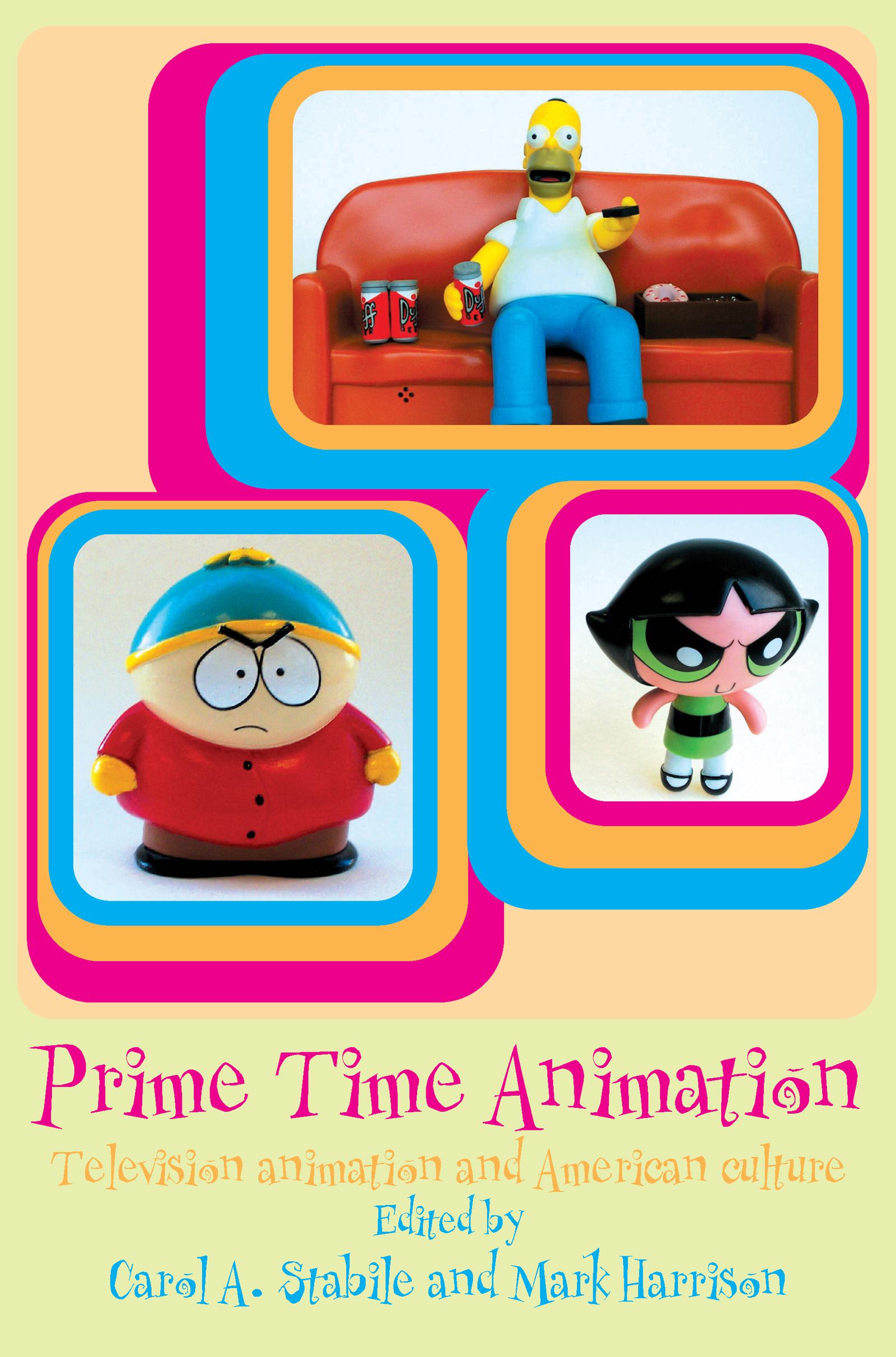
In September 1960 a television show emerged from the mists of prehistoric time to take its place as the mother of all animated sitcoms. The Flintstones spawned dozens of imitations, just as, two decades later, The Simpsons sparked a renaissance of primetime animation. This fascinating book explores the landscape of television animation, from Bedrock to Springfield, and beyond.
The contributors critically examine the key issues and questions, including: How do we explain the animation explosion of the 1960s? Why did it take nearly twenty years following the cancellation of The Flintstones for animation to find its feet again as primetime fare? In addressing these questions, as well as many others, essays examine the relation between earlier, made-for-cinema animated production (such as the Warner Looney Toons shorts) and television-based animation; the role of animation in the economies of broadcast and cable television; and the links between animation production and brand image. Contributors also examine specific programmes like The Powerpuff Girls, Daria, Ren and Stimpy and South Park from the perspective of fans, exploring fan cybercommunities, investigating how ideas of 'class' and 'taste' apply to recent TV animation, and addressing themes such as irony, alienation, and representations of the family.
Betal enkelt med kort, Klarna, Apple Pay eller Google Pay. Ikke fornøyd? Du har alltid 14 dagers angrerett. Les mer i våre vilkår. Har du spørsmål, send oss en e-post på hello@memmo.org.
Memmo gjør det enklere å studere – uansett hvor du er i verden. Hos oss samler du pensumbøker og smarte studieverktøy på ett og samme sted: sammendrag, quizer, podkaster og flashcards. Og så Ted, din studiekompis som svarer på alt du lurer på. Over 50 000 studenter studerer allerede her – bygget for at du skal lære raskere og stresse mindre.