
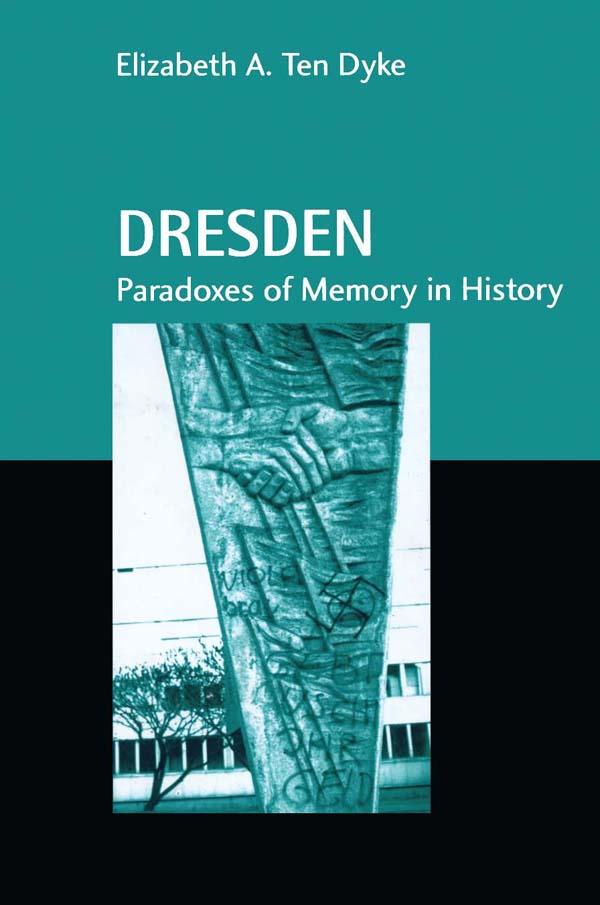
The collapse of the German Democratic Republic prompted the East Germans to confront their personal, cultural and international past. This study of the 'Wende' - the turn of events in 1989 - is based on ethnographic and anthropological research conducted in the early 1990s. Liz Ten Dyke has developed a finely nuanced portrait of the city and its residents as they were caught up in the economic, political and social turmoil that characterized the immediate post-socialist period.
By weaving together scholarly research, oral history, and "ethnographic excursions" or narratives of salient experiences, this book makes an important contribution to the study of social aspects of the past. Moving beyond paradigms presently shaping the study of memory, it details the paradoxes and contradictions inherent in remembering, making manifest the link between such contradictions and larger symbolic and political-economic contexts. In this way, the author situates the study of memory in history and shows that it is the mutability of memory, in conjuction with the uncertainty of history, that render the past a dynamic and powerful force in human society.
Betal enkelt med kort, Klarna, Apple Pay eller Google Pay. Ikke fornøyd? Du har alltid 14 dagers angrerett. Les mer i våre vilkår. Har du spørsmål, send oss en e-post på hello@memmo.org.
Memmo gjør det enklere å studere – uansett hvor du er i verden. Hos oss samler du pensumbøker og smarte studieverktøy på ett og samme sted: sammendrag, quizer, podkaster og flashcards. Og så Ted, din studiekompis som svarer på alt du lurer på. Over 50 000 studenter studerer allerede her – bygget for at du skal lære raskere og stresse mindre.
Du vil kanskje også like
Kjøp boken0