
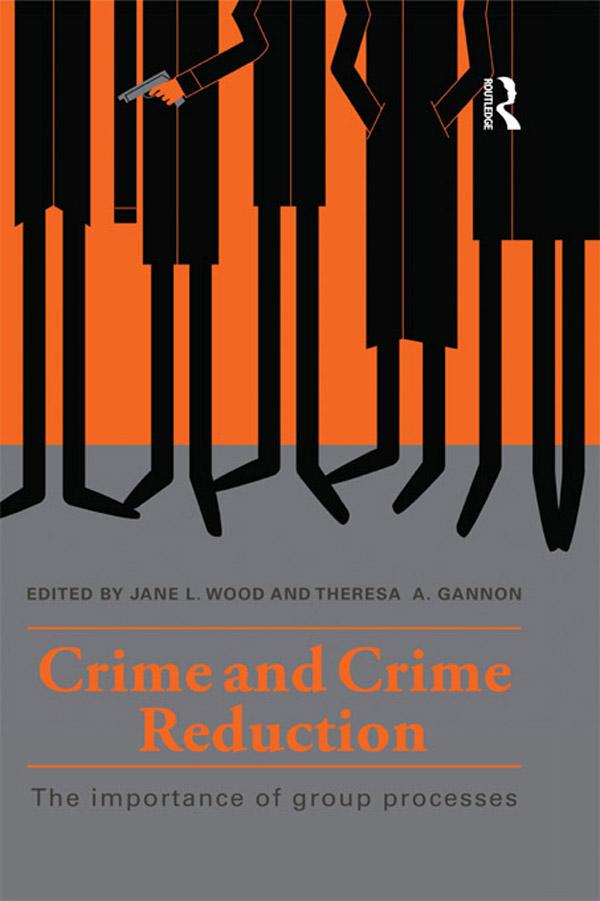
The problems associated with groups that commit crime are well known and notoriously complex. However, there are many questions that we still cannot answer with certainty. This book seeks to deepen understanding of the group processes involved in crime and the treatment of offenders’ thoughts and behaviour. Together, the chapters in this volume address the following questions:
- Are people more likely to commit crime because of the influence of their group?
- Does group membership cause people to become criminals, or does the group merely foster people’s pre-existing criminal inclinations?
- How does group membership exert such a strong hold on people so that some risk imprisonment or even death, rather than relinquish their membership?
The contributors to Crime and Crime Reduction consider the social psychological influences of groups and specific forms of group crime such as street and prison gangs, terrorism, organized criminal networks, and group sexual offending. The book also addresses important questions about the role of groups in treating offenders, and why existing group membership should be considered when treating offenders.
Group criminal activity is a key area of study for researchers and for students of Forensic Psychology and Criminology courses. This book will therefore be of interest to students, scholars, and law enforcement practitioners who want to understand the group processes involved in crime and its reduction.
Betal enkelt med kort, Klarna, Apple Pay eller Google Pay. Ikke fornøyd? Du har alltid 14 dagers angrerett. Les mer i våre vilkår. Har du spørsmål, send oss en e-post på hello@memmo.org.
Memmo gjør det enklere å studere – uansett hvor du er i verden. Hos oss samler du pensumbøker og smarte studieverktøy på ett og samme sted: sammendrag, quizer, podkaster og flashcards. Og så Ted, din studiekompis som svarer på alt du lurer på. Over 50 000 studenter studerer allerede her – bygget for at du skal lære raskere og stresse mindre.