
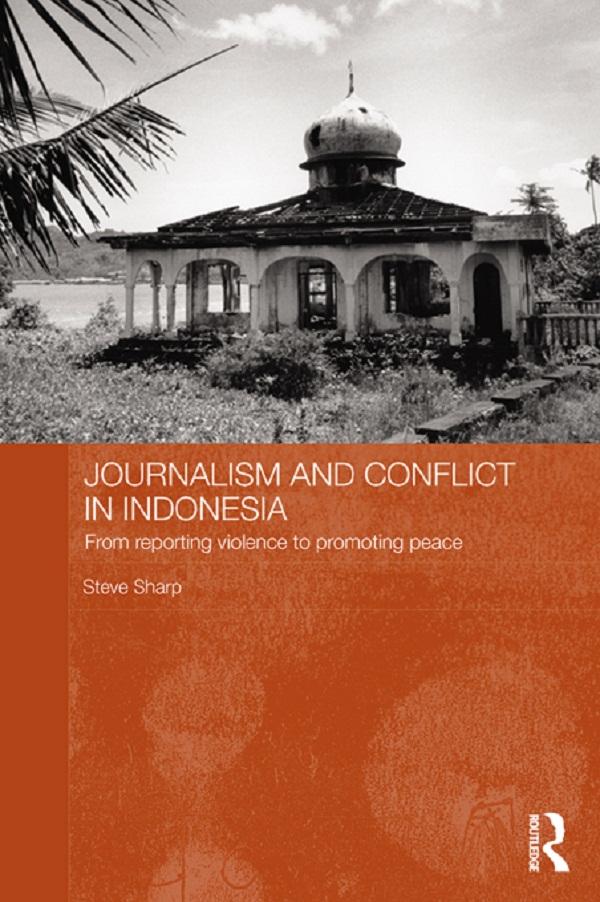
This book examines, through the case study of Indonesia over recent decades, how the reporting of violence can drive the escalation of violence, and how journalists can alter their reporting practices in order to have the opposite effect and promote peace. It discusses the nature of press freedom in Indonesia from 1966 onwards, considers the relationship between the press and politicians, and explores journalists’ working methods. It goes on to outline in detail the communal wars in eastern Indonesia in the period 1999-2000, arguing that communication as much as physical preparations for violence were key to bringing about the wars, with journalists’ rigid professional routines and newswriting conventions causing them to reproduce and enlarge the battle cries of those at war. The book concludes by advocating a "development communication" approach to journalism in transitional settings, in order to help journalists to counter the disintegrative tendencies of failing states and the communal strife that can result.
Betal enkelt med kort, Klarna, Apple Pay eller Google Pay. Ikke fornøyd? Du har alltid 14 dagers angrerett. Les mer i våre vilkår. Har du spørsmål, send oss en e-post på hello@memmo.org.
Memmo gjør det enklere å studere – uansett hvor du er i verden. Hos oss samler du pensumbøker og smarte studieverktøy på ett og samme sted: sammendrag, quizer, podkaster og flashcards. Og så Ted, din studiekompis som svarer på alt du lurer på. Over 50 000 studenter studerer allerede her – bygget for at du skal lære raskere og stresse mindre.