
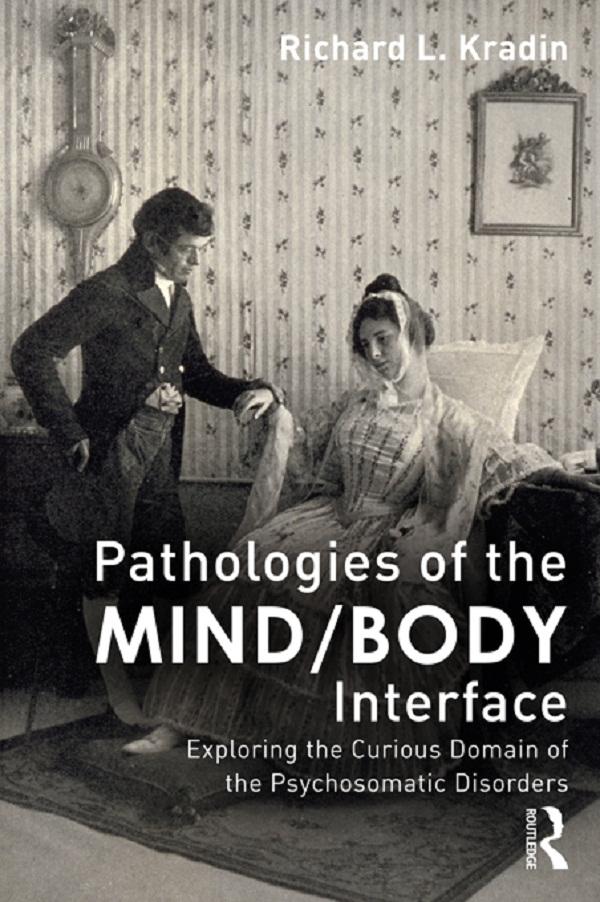
Patients suffering from psychosomatic disorders represent a formidable challenge. Psychosomatic disorders are common, and account for substantial personal discomfort, unnecessary medical expenditures, socioeconomic loss, and disability. They are challenging to diagnose, treat, and are rarely completely cured. Furthermore, they often provoke strong negative reactions from family, friends, and caregivers, who are unable to fathom their inconsistencies. Currently, little is known as to how they develop or why their symptoms tend to transform over time. In Pathologies of the Mind/Body Interface, Richard Kradin, a medical internist, pulmonologist, and psychoanalyst at a large Harvard hospital, examines the historical, philosophical, cultural, psychological, and neurobiological factors that contribute to the development of psychosomatic disorders. He focuses on the role that developmental stress and attachment disorders appear to play in increasing the risk of developing psychosomatic symptoms, and advises medical practitioners and psychologists on how to diagnose and treat them. Dr. Kradin suggests areas of importance for future medical and psychological research into the causes and treatments of these debilitating disorders.
Betal enkelt med kort, Klarna, Apple Pay eller Google Pay. Ikke fornøyd? Du har alltid 14 dagers angrerett. Les mer i våre vilkår. Har du spørsmål, send oss en e-post på hello@memmo.org.
Memmo gjør det enklere å studere – uansett hvor du er i verden. Hos oss samler du pensumbøker og smarte studieverktøy på ett og samme sted: sammendrag, quizer, podkaster og flashcards. Og så Ted, din studiekompis som svarer på alt du lurer på. Over 50 000 studenter studerer allerede her – bygget for at du skal lære raskere og stresse mindre.