
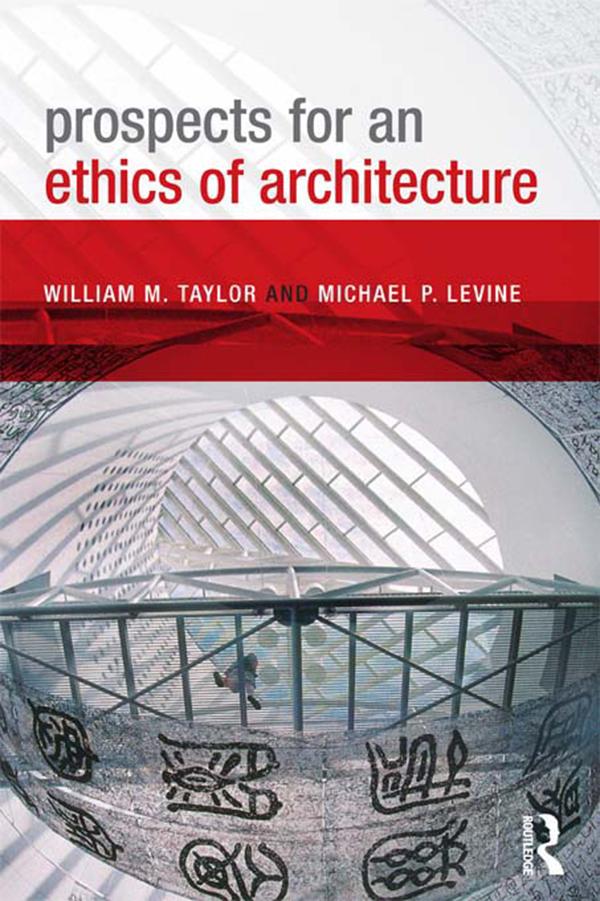
Bringing together the reflections of an architectural theorist and a philosopher, this book encourages philosophers and architects, scholars and designers alike, to reconsider what they do as well as what they can do in the face of challenging times. It does so by exploring the notion that architecture and design can (and possibly should), in their own right, make for a distinctive form of ethical investigation.
The book is less concerned with absolutist understandings of the two components of ethics, a theory of ‘the good’ and a theory of ‘the right’, than with remaining open to multiple relations between ideas about the built environment, design practices and the plurality of kinds of human subjects (inhabitants, individuals and communities) accommodated by buildings and urban spaces.
The built environment contributes to the inculcation of all sorts of values (good and bad). Thus, this book aims to change the way people commonly think about ethics, not only in relation to the built environment, but to themselves, their ways of thinking and modes of behaviour.
Betal enkelt med kort, Klarna, Apple Pay eller Google Pay. Ikke fornøyd? Du har alltid 14 dagers angrerett. Les mer i våre vilkår. Har du spørsmål, send oss en e-post på hello@memmo.org.
Memmo gjør det enklere å studere – uansett hvor du er i verden. Hos oss samler du pensumbøker og smarte studieverktøy på ett og samme sted: sammendrag, quizer, podkaster og flashcards. Og så Ted, din studiekompis som svarer på alt du lurer på. Over 50 000 studenter studerer allerede her – bygget for at du skal lære raskere og stresse mindre.