
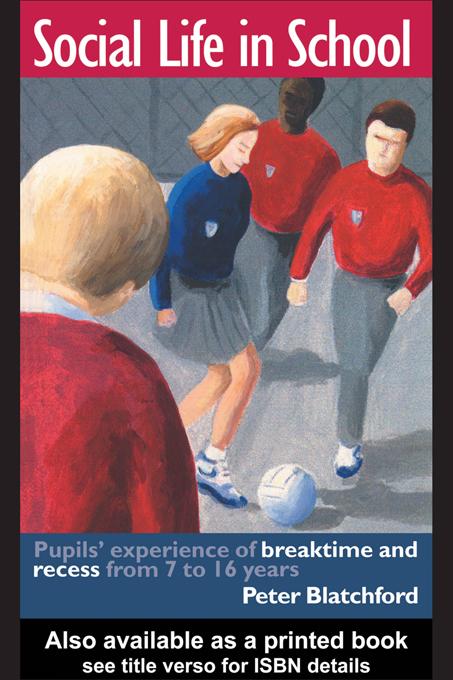
Are breaktimes really just a time of violence and bullying that could be better used for working? Based on a unique and fascinating longitudinal study of a group of pupils from primary to secondary school, the author of this timely new book proposes an alternative view. He believes that breaktime plays an important part in children's social development, and through his gathering of pupil's own views on breaktimes over a period of ten years, we see how breaktimes offer children time to play; to develop friendships; to build social networks; to develop social skills and competence; to be independent from adults; and to learn to manage conflict, aggression and inter-group relations. Where else will they learn these important skills if not in the playground? What will happen in a society where these skills are not developed?
Betal enkelt med kort, Klarna, Apple Pay eller Google Pay. Ikke fornøyd? Du har alltid 14 dagers angrerett. Les mer i våre vilkår. Har du spørsmål, send oss en e-post på hello@memmo.org.
Memmo gjør det enklere å studere – uansett hvor du er i verden. Hos oss samler du pensumbøker og smarte studieverktøy på ett og samme sted: sammendrag, quizer, podkaster og flashcards. Og så Ted, din studiekompis som svarer på alt du lurer på. Over 50 000 studenter studerer allerede her – bygget for at du skal lære raskere og stresse mindre.
Du vil kanskje også like
Kjøp boken0