
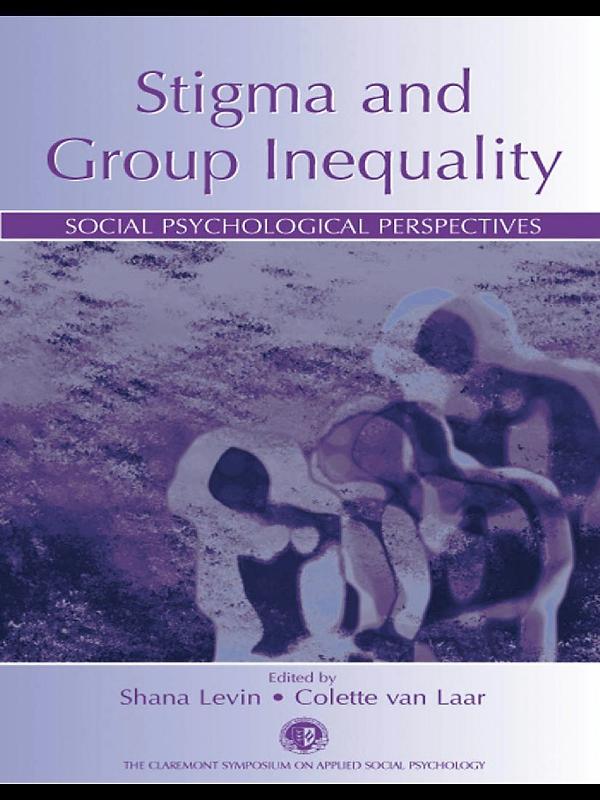
This book provides a snapshot of the latest theoretical and empirical work on social psychological approaches to stigma and group inequality. It focuses on the perspective of the stigmatized groups and discusses the effects of the stigma on the individual, the interacting partners, the groups to which they belong, and the relations between the groups.
Broken into three major sections, Stigma and Group Inequality:
*discusses the tradeoffs that stigmatized individuals must contend with as they weigh the benefits derived from a particular response to stigma against the costs associated with it;
*explores the ways in which environments can threaten one's intellectual performance, sense of belonging, and self concept; and
*argues that the experience of possessing a stigmatized identity is shaped by social interactions with others in the stigmatized group as well as members of other groups.
Stigma and Group Inequality is a valuable resource for students and scholars in the fields of psychology, sociology, social work, anthropology, communication, public policy, and political science, particularly for courses on stigma, prejudice, and intergroup relations. The book is also accessible to teachers, administrators, community leaders, and concerned citizens who are trying to understand and improve the plight of stigmatized individuals in school, at work, at home, in the community, and in society at large.
Betal enkelt med kort, Klarna, Apple Pay eller Google Pay. Ikke fornøyd? Du har alltid 14 dagers angrerett. Les mer i våre vilkår. Har du spørsmål, send oss en e-post på hello@memmo.org.
Memmo gjør det enklere å studere – uansett hvor du er i verden. Hos oss samler du pensumbøker og smarte studieverktøy på ett og samme sted: sammendrag, quizer, podkaster og flashcards. Og så Ted, din studiekompis som svarer på alt du lurer på. Over 50 000 studenter studerer allerede her – bygget for at du skal lære raskere og stresse mindre.