
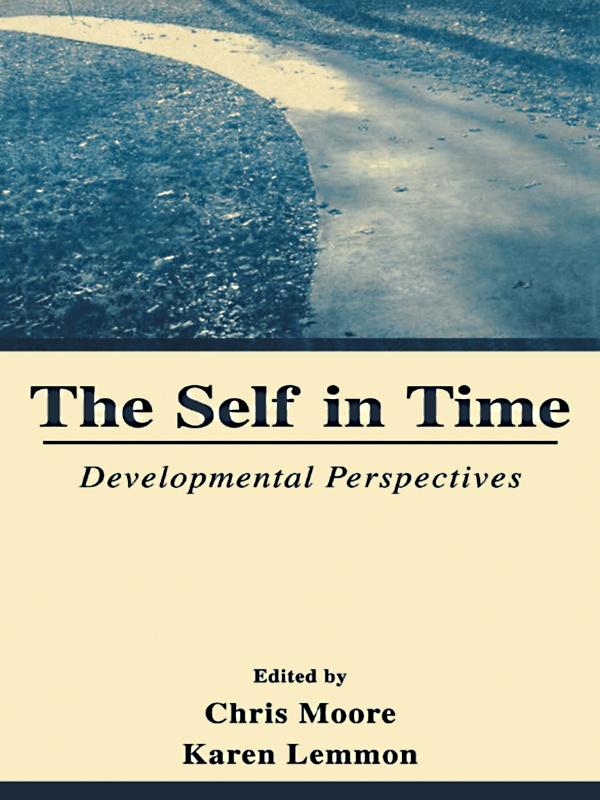
Human reasoning is marked by an ability to remember one's personal past and to imagine one's future. Together these capacities rely on the notion of a temporally extended self or the self in time. Recent evidence suggests that it is during the preschool period that children first construct this form of self. By about four years of age, children can remember events from their pasts and reconstruct a personal narrative integrating these events. They know that past events in which they participated affect present circumstances. They can also imagine the future and make decisions designed to bring about desirable future events even in the face of competing immediate gratification. This book brings together the leading researchers on these issues and for the first time in literature, illustrates how a unified approach based on the idea of a temporally extended self can integrate these topics.
Betal enkelt med kort, Klarna, Apple Pay eller Google Pay. Ikke fornøyd? Du har alltid 14 dagers angrerett. Les mer i våre vilkår. Har du spørsmål, send oss en e-post på hello@memmo.org.
Memmo gjør det enklere å studere – uansett hvor du er i verden. Hos oss samler du pensumbøker og smarte studieverktøy på ett og samme sted: sammendrag, quizer, podkaster og flashcards. Og så Ted, din studiekompis som svarer på alt du lurer på. Over 50 000 studenter studerer allerede her – bygget for at du skal lære raskere og stresse mindre.