
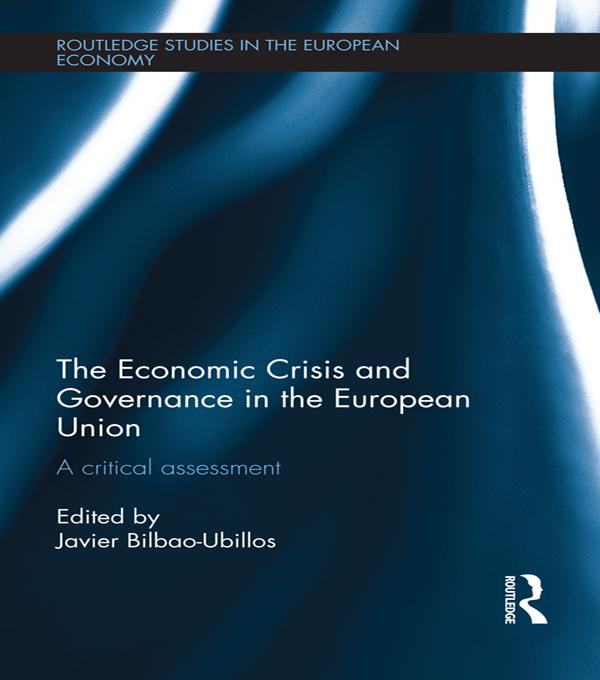
This book explores the way in which the financial crisis that began in the US spread to the economy of the European Union. It takes a critical look at the measures adopted by EU institutions in response to that crisis, seeking to explain the rationale behind them, their context, their development and why different exit strategies were not adopted. In doing this, the book makes comparisons with the measures adopted by institutions in the US and the UK.
As the crisis has shown that the financial supervision frameworks prevailing in 2007 were not fully able to deal with the largest financial crisis in history, this volume also reviews the proposals that have been designed to reform the supervisory architecture in financial services in the EU.
The book concludes that the EU member states under most pressure from financial markets do suffer from intrinsic problems, but that the economic effects of the crisis have been exacerbated by shortcomings in economic governance within the EU.
This work will be highly relevant to policy makers and scholars looking at EU integration, finance and market regulation.
Betal enkelt med kort, Klarna, Apple Pay eller Google Pay. Ikke fornøyd? Du har alltid 14 dagers angrerett. Les mer i våre vilkår. Har du spørsmål, send oss en e-post på hello@memmo.org.
Memmo gjør det enklere å studere – uansett hvor du er i verden. Hos oss samler du pensumbøker og smarte studieverktøy på ett og samme sted: sammendrag, quizer, podkaster og flashcards. Og så Ted, din studiekompis som svarer på alt du lurer på. Over 50 000 studenter studerer allerede her – bygget for at du skal lære raskere og stresse mindre.