
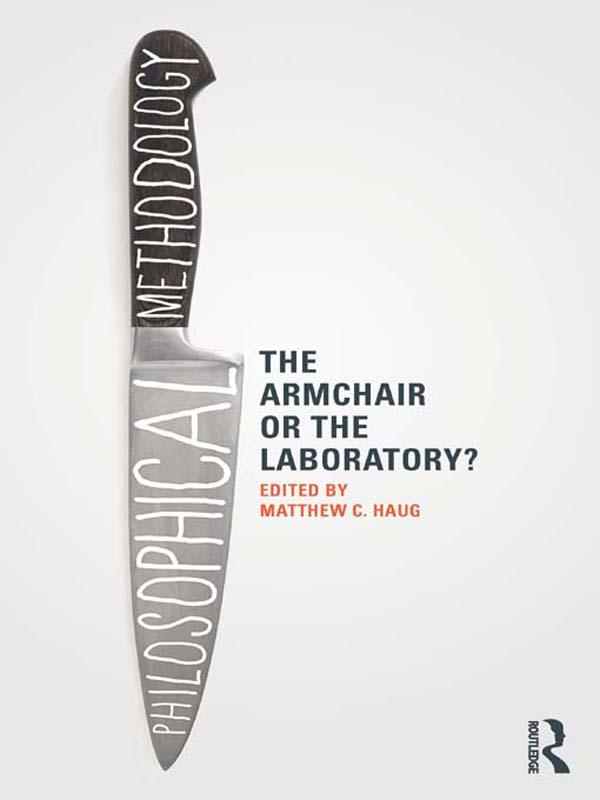
What methodology should philosophers follow? Should they rely on methods that can be conducted from the armchair? Or should they leave the armchair and turn to the methods of the natural sciences, such as experiments in the laboratory? Or is this opposition itself a false one? Arguments about philosophical methodology are raging in the wake of a number of often conflicting currents, such as the growth of experimental philosophy, the resurgence of interest in metaphysical questions, and the use of formal methods.
This outstanding collection of specially-commissioned chapters by leading international philosophers discusses these questions and many more. It provides a comprehensive survey of philosophical methodology in the most important philosophical subjects: metaphysics, epistemology, philosophy of language, philosophy of mind, phenomenology, philosophy of science, ethics, and aesthetics.
A key feature of the collection is that philosophers discuss and evaluate contrasting approaches in each subject, offering a superb overview of the variety of methodological approaches - both naturalistic and non-naturalistic - in each of these areas. They examine important topics at the heart of methodological argument, including the role of intuitions and conceptual analysis, thought experiments, introspection, and the place that results from the natural sciences should have in philosophical theorizing.
The collection begins with a fascinating exchange about philosophical naturalism between Timothy Williamson and Alexander Rosenberg, and also includes contributions from the following philosophers: Lynne Rudder Baker, Matt Bedke, Greg Currie, Michael Devitt, Matthew C. Haug, Jenann Ismael, Hilary Kornblith, Neil Levy, E.J. Lowe, Kirk Ludwig, Marie McGinn, David Papineau, Matthew Ratcliffe, Georges Rey, Jeffrey W. Roland, Barry C. Smith, Amie L. Thomasson, Valerie Tiberius, Jessica Wilson, and David W. Smith.
Betal enkelt med kort, Klarna, Apple Pay eller Google Pay. Ikke fornøyd? Du har alltid 14 dagers angrerett. Les mer i våre vilkår. Har du spørsmål, send oss en e-post på hello@memmo.org.
Memmo gjør det enklere å studere – uansett hvor du er i verden. Hos oss samler du pensumbøker og smarte studieverktøy på ett og samme sted: sammendrag, quizer, podkaster og flashcards. Og så Ted, din studiekompis som svarer på alt du lurer på. Over 50 000 studenter studerer allerede her – bygget for at du skal lære raskere og stresse mindre.