
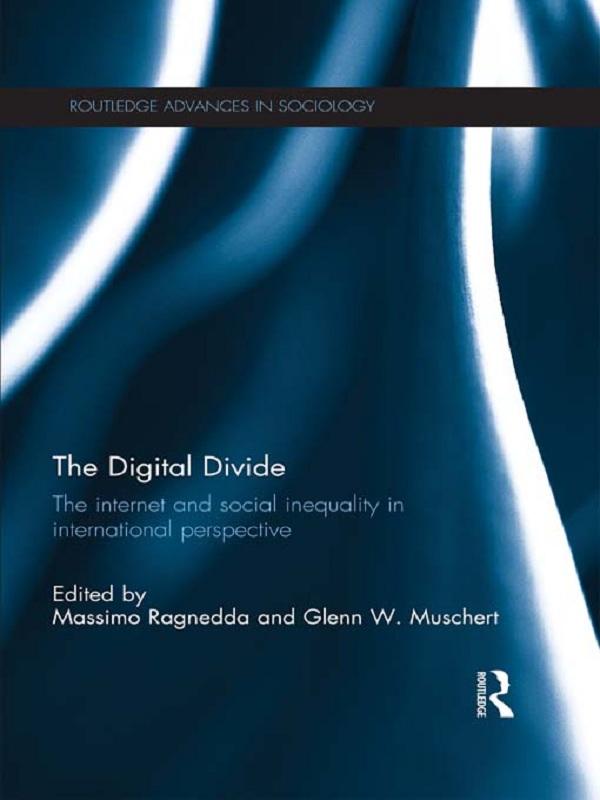
This book provides an in-depth comparative analysis of inequality and the stratification of the digital sphere.
Grounded in classical sociological theories of inequality, as well as empirical evidence, this book defines ‘the digital divide’ as the unequal access and utility of internet communications technologies and explores how it has the potential to replicate existing social inequalities, as well as create new forms of stratification. The Digital Divide examines how various demographic and socio-economic factors including income, education, age and gender, as well as infrastructure, products and services affect how the internet is used and accessed. Comprised of six parts, the first section examines theories of the digital divide, and then looks in turn at:
- Highly developed nations and regions (including the USA, the EU and Japan);
- Emerging large powers (Brazil, China, India, Russia);
- Eastern European countries (Estonia, Romania, Serbia);
- Arab and Middle Eastern nations (Egypt, Iran, Israel);
- Under-studied areas (East and Central Asia, Latin America, and sub-Saharan Africa).
Providing an interwoven analysis of the international inequalities in internet usage and access, this important work offers a comprehensive approach to studying the digital divide around the globe. It is an important resource for academic and students in sociology, social policy, communication studies, media studies and all those interested in the questions and issues around social inequality.
Betal enkelt med kort, Klarna, Apple Pay eller Google Pay. Ikke fornøyd? Du har alltid 14 dagers angrerett. Les mer i våre vilkår. Har du spørsmål, send oss en e-post på hello@memmo.org.
Memmo gjør det enklere å studere – uansett hvor du er i verden. Hos oss samler du pensumbøker og smarte studieverktøy på ett og samme sted: sammendrag, quizer, podkaster og flashcards. Og så Ted, din studiekompis som svarer på alt du lurer på. Over 50 000 studenter studerer allerede her – bygget for at du skal lære raskere og stresse mindre.