
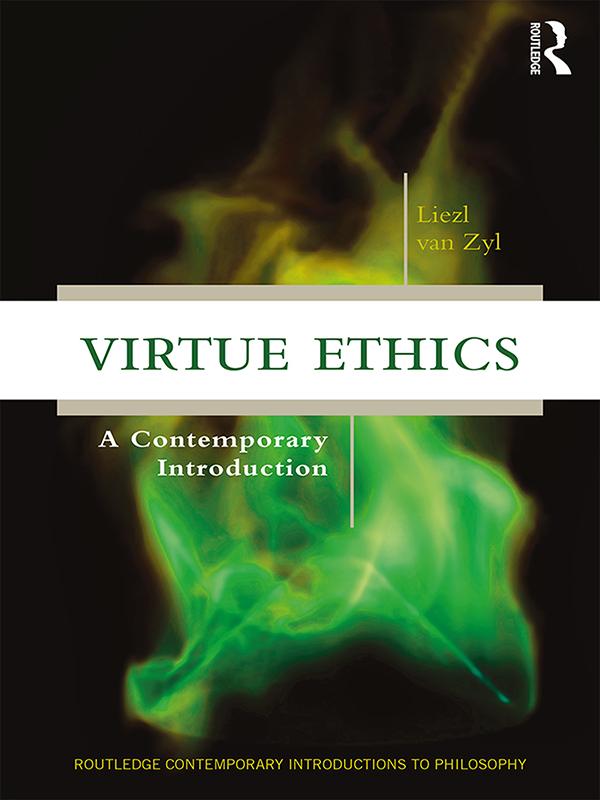
This volume provides a clear and accessible overview of central concepts, positions, and arguments in virtue ethics today. While it focuses primarily on Aristotelian virtue ethics, it also includes discussion of alternative forms of virtue ethics (sentimentalism and pluralism) and competing normative theories (consequentialism and deontology).
The first six chapters are organized around central questions in normative ethics that are of particular concern to virtue ethicists and their critics:
- What is virtue ethics?
- What makes a trait a virtue?
- Is there a link between virtue and happiness?
- What is involved in being well-motivated?
- What is practical wisdom?
- What makes an action right?
The last four chapters focus on important challenges or objections to virtue ethics:
- Can virtue ethics be applied to particular moral problems?
- Does virtue ethics ultimately rely on moral principles?
- Can it withstand the situationist critique?
- What are the prospects for an environmental virtue ethics?
Betal enkelt med kort, Klarna, Apple Pay eller Google Pay. Ikke fornøyd? Du har alltid 14 dagers angrerett. Les mer i våre vilkår. Har du spørsmål, send oss en e-post på hello@memmo.org.
Memmo gjør det enklere å studere – uansett hvor du er i verden. Hos oss samler du pensumbøker og smarte studieverktøy på ett og samme sted: sammendrag, quizer, podkaster og flashcards. Og så Ted, din studiekompis som svarer på alt du lurer på. Over 50 000 studenter studerer allerede her – bygget for at du skal lære raskere og stresse mindre.