
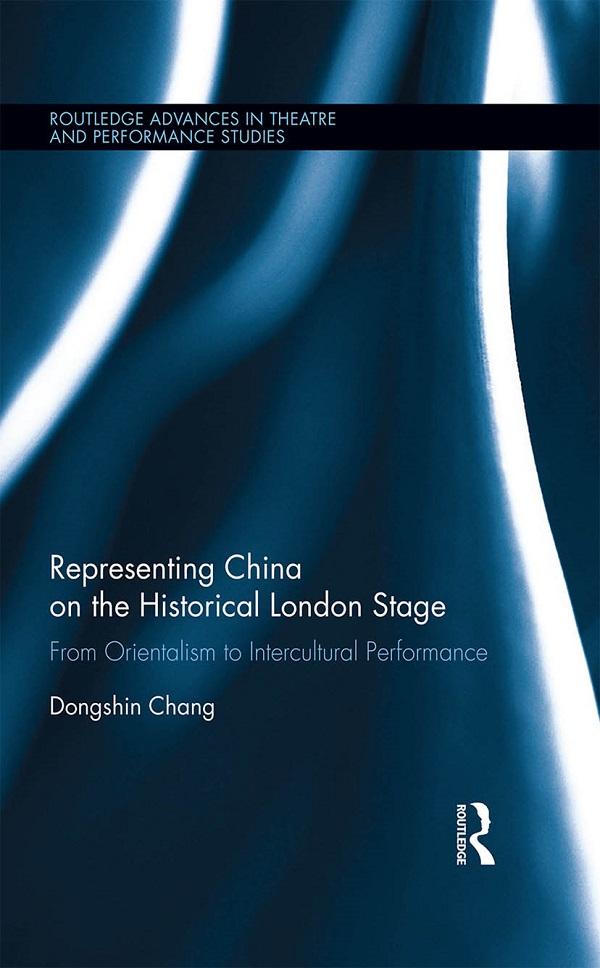
This book provides a critical study of how China was represented on the historical London stage in selected examples from the late seventeenth century to the early twentieth century—which corresponds with the Qing Dynasty (1644-1911), China’s last monarchy. The examples show that during this historical period, the stage representations of the country were influenced in turn by Jesuit writings on China, Britain’s expanding material interest in China, the presence of British imperial power in Asia, and the establishment of diasporic Chinese communities abroad. While finding that many of these works may be read as gendered and feminized, Chang emphasizes that the Jesuits’ depiction of China as a country of high culture and in perennial conflict with the Tartars gradually lost prominence in dramatic imaginations to depictions of China’s material and visual attractions. Central to the book’s argument is that the stage representations of China were inherently intercultural and open to new influences, manifested by the evolving combinations of Chinese and English (British) traits. Through the dramatization of the Chinese Other, the representations questioned, satirized, and put in sharp relief the ontological and epistemological bases of the English (British) Self.
Betal enkelt med kort, Klarna, Apple Pay eller Google Pay. Ikke fornøyd? Du har alltid 14 dagers angrerett. Les mer i våre vilkår. Har du spørsmål, send oss en e-post på hello@memmo.org.
Memmo gjør det enklere å studere – uansett hvor du er i verden. Hos oss samler du pensumbøker og smarte studieverktøy på ett og samme sted: sammendrag, quizer, podkaster og flashcards. Og så Ted, din studiekompis som svarer på alt du lurer på. Over 50 000 studenter studerer allerede her – bygget for at du skal lære raskere og stresse mindre.