
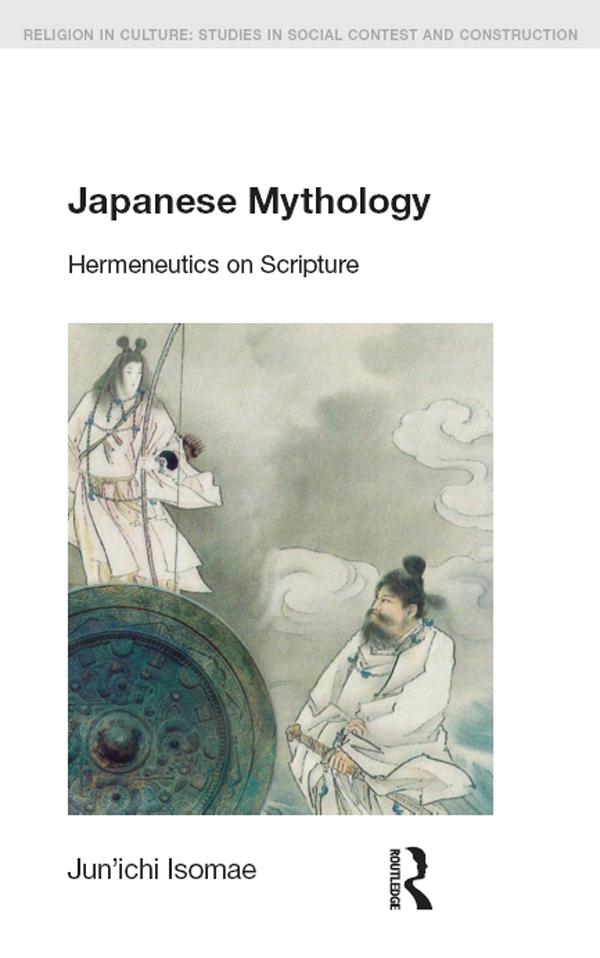
Before the westernisation of Japan, mythological events were treated as national history. Two key documents have contributed to this history, both written over 1300 years ago: 'Kojiki', the Tale of Old Age, and 'Nihonshoki', the Chronicle of Japanese History. Both the Imperial Court and the general public searched for the origin of their identity in these documents, which took on the central and sacred role of scripture. Through the act of commentary and interpretation, the sacred books connected interpreters to their historical origins, authenticating where they came from, the emergence of the Japanese archipelago, and the uniqueness of the Japanese people. 'Japanese Mythology' explores the nation's attraction to this act of historical grounding and the varying identities that emerged during different historical periods. The study reveals that, rather than having any clear and unified substance, Japanese mythology has always been the result of a nostalgic desire to retrieve historical origins.
Betal enkelt med kort, Klarna, Apple Pay eller Google Pay. Ikke fornøyd? Du har alltid 14 dagers angrerett. Les mer i våre vilkår. Har du spørsmål, send oss en e-post på hello@memmo.org.
Memmo gjør det enklere å studere – uansett hvor du er i verden. Hos oss samler du pensumbøker og smarte studieverktøy på ett og samme sted: sammendrag, quizer, podkaster og flashcards. Og så Ted, din studiekompis som svarer på alt du lurer på. Over 50 000 studenter studerer allerede her – bygget for at du skal lære raskere og stresse mindre.
Du vil kanskje også like
Kjøp boken0