
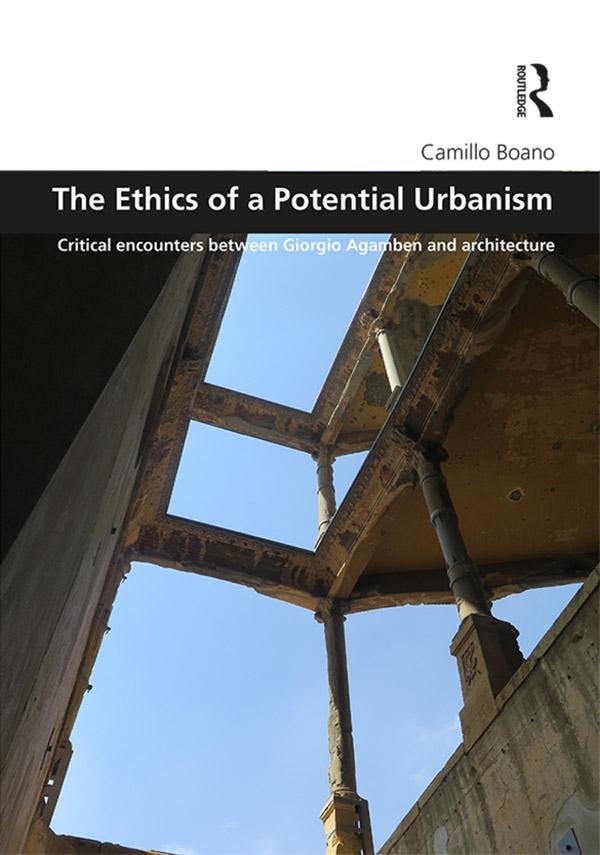
The Ethics of a Potential Urbanism explores the possible and potential relevance of Giorgio Agamben’s political thoughts and writings for the theory and the practice of architecture and urban design. It sketches out the potentiality of Agamben’s politics, which can affect change in current architectural and design discourses. The book investigates the possibility of an inoperative architecture, as an ethical shift for a different practice, just a little bit different, but able to deactivate the sociospatial dispositive and mobilize a new theory and a new project for the urban now to come. This particular reading from Agamben’s oeuvre suggests a destituent mode of both thinking and practicing of architecture and urbanism that could possibly redeem them from their social emptiness, cultural irrelevance, economic reductionism and proto-avant-garde extravagance, contributing to a renewed critical ‘encounter’ with architecture’s aesthetic-political function.
Betal enkelt med kort, Klarna, Apple Pay eller Google Pay. Ikke fornøyd? Du har alltid 14 dagers angrerett. Les mer i våre vilkår. Har du spørsmål, send oss en e-post på hello@memmo.org.
Memmo gjør det enklere å studere – uansett hvor du er i verden. Hos oss samler du pensumbøker og smarte studieverktøy på ett og samme sted: sammendrag, quizer, podkaster og flashcards. Og så Ted, din studiekompis som svarer på alt du lurer på. Over 50 000 studenter studerer allerede her – bygget for at du skal lære raskere og stresse mindre.