
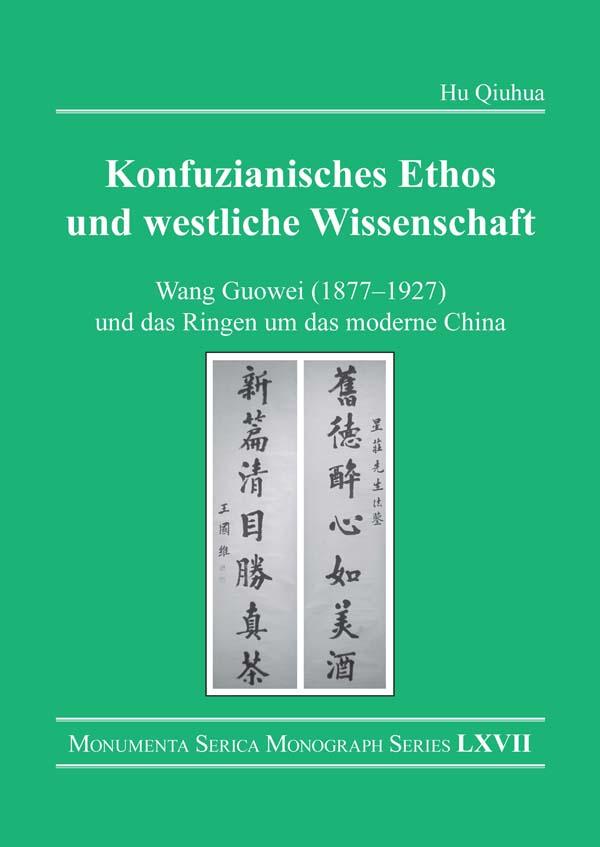
This study in German offers profound insights into the life and thoughts of Wang Guowei (1877-1927). Like many intellectuals who strongly perceived the necessity of reforms in the waning years of the Late Qing dynasty, i.e. after the Opium wars, Wang sought to strengthen China's position against foreign, in particular Western, powers. Contrary to earlier approaches, which either advocated a close adherence to Confucian traditions or tried to adapt only elements of Western material culture, mainly industrial and military technology, Wang Guowei aimed at reviving traditional Chinese culture by analysing its source texts using a modern scientific approach (and thereby started the discipline of guoxue [national studies]) and simultaneously adapting compatible elements of Western immaterial culture. Thus, Wang became known as an authority on Chinese paleography as well as on German philosophy, especially Kantian epistomology.
Betal enkelt med kort, Klarna, Apple Pay eller Google Pay. Ikke fornøyd? Du har alltid 14 dagers angrerett. Les mer i våre vilkår. Har du spørsmål, send oss en e-post på hello@memmo.org.
Memmo gjør det enklere å studere – uansett hvor du er i verden. Hos oss samler du pensumbøker og smarte studieverktøy på ett og samme sted: sammendrag, quizer, podkaster og flashcards. Og så Ted, din studiekompis som svarer på alt du lurer på. Over 50 000 studenter studerer allerede her – bygget for at du skal lære raskere og stresse mindre.
Du vil kanskje også like
Kjøp boken0